Nobel FC: TS Eliot

Nobel FC: TS Eliot

Author’s note: So, a couple things. First, I said Eliot won the Nobel in 1943…he didn’t, nor did anyone else–it was cancelled due to the second World War. He won in 1948, which (secondly) has absolutely no connection to anything in my 20 year time frame for this project. So (thirdly) consider this just a random writing about an author, and we’ll let that be a problem for future Me, assuming that we’re still doing this in 5 years. And finally, I’m sorry that I misnumbered WB Yeats as a #3 (Left Back) when he’s more accurately numbered as a #4 (Centerback), the prior entry has been corrected to reflect this.

Background

Thomas Stearns Eliot won the Nobel Prize in literature for his poetry and drama in 1943. In its citation, the committee simply asserted that they wished to honor “his outstanding, pioneer contribution to present-day poetry”.

Eliot was part of that lost generation of writers, with big ideals and high hopes who found themselves resettled in Europe as adults, disenchanted with America’s failings. Like others, Eliot had come from a fairly well to do stock, enjoyed a rich education and built much of his work by alluding to and building on other well known works but in a rather startling method of slamming works together and building thematic meaning from the various images that emerge from it.

Works

From: “The Love Song of J. Alfred Prufrock”

There will be time, there will be time
To prepare a face to meet the faces that you meet
There will be time to murder and create,
And time for all the works and days of hands
That lift and drop a question on your plate;
Time for you and time for me,
And time yet for a hundred indecisions,
And for a hundred visions and revisions,
Before the taking of toast and tea

–1915
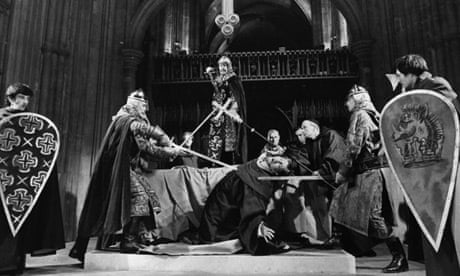
From the film adaptation of Murder in the Cathedral

From: “Murder in the Cathedral”

Yes! men must manoeuvre. Monarchs also,
Waging war abroad, need fast friends at home.
Private policy is public profit.
Dignity shall be dressed with decorum.

–1935

Your Opinion

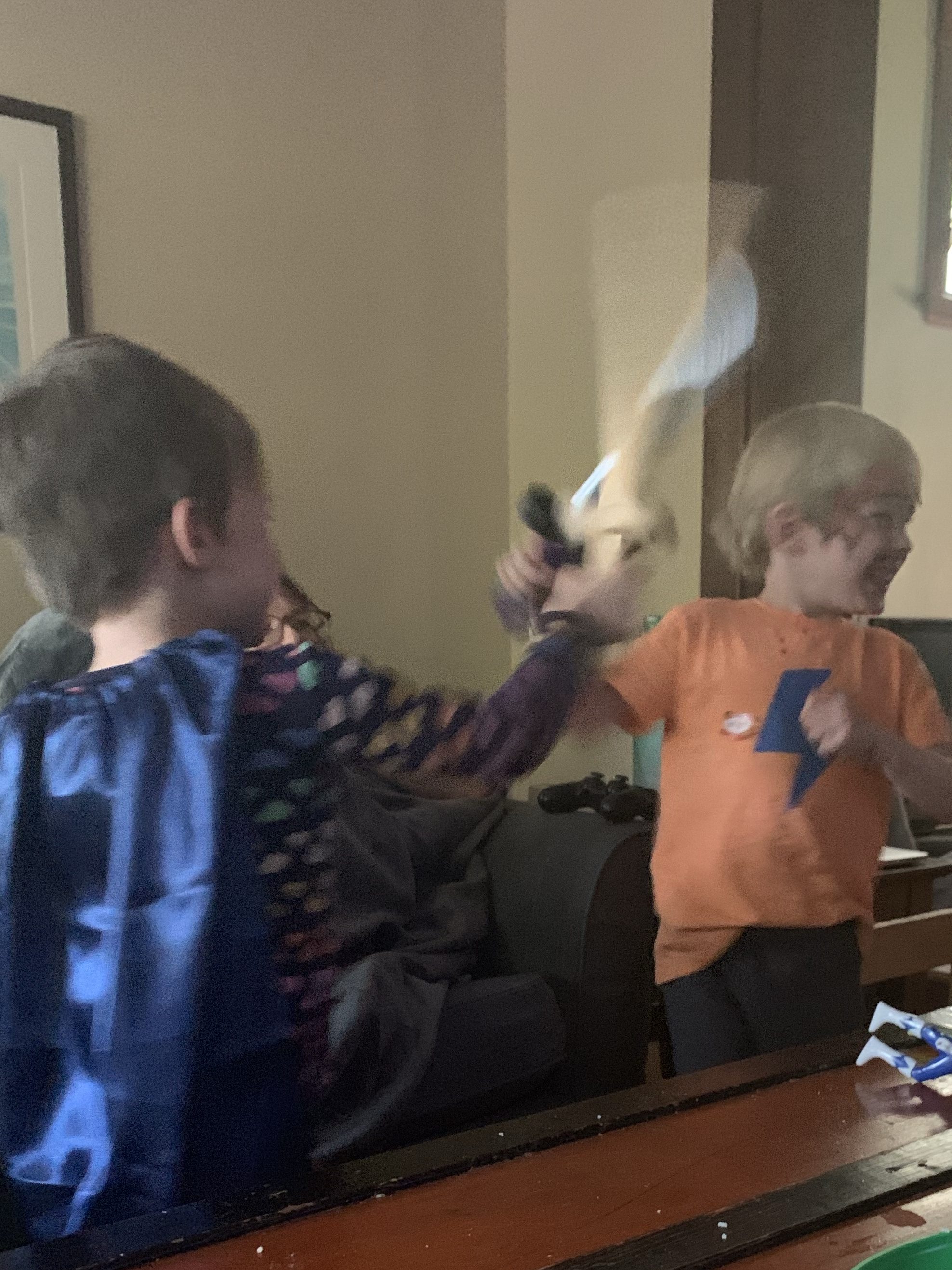
I can’t always do it, but when it works out, I’ll share writings from our laureate. Eliot’s has an only moderately mature collection of poems titled Old Possum’s Book of Practical Cats. When we found a copy illustrated by Axel Schaeffer (the man behind drawings in beloved picture books The Gruffalo and Room on the Broom), it was clear that there was an opening to try it out with you.

The results: Alex: “It’s funny and good, and also I’m all done.” Owen. “No! Not that”

Message

There’s a lot lying within Eliot (including the ability to be both good and not at all enjoyable at once). There’s beautiful aching, and bitter realizing. There’s a subtle appreciation of the past and a slam-bang-crash of the uncertain future. There’s a willingness to see both sides of the coin, the arguments for and against and the awareness of complexity in all things. To put it in as direct a way as I can think of: all that is beautiful rises from and ends in destruction.

Position: #6

With a view that bleak, and a style that multi-faceted, Eliot seems to me well suited to a role in the middle of the field where he can both create art and cause chaos. There’s a position like that in modern soccer, one that is often mocked as dirty work or unpleasant, but also does something that no one else on the field does in the same way. It’s the defensive midfielder role, and while I certainly think that Eliot was much too cerebral to be an out and out beast, he certainly could keep up with a high level of play and obtain the respect that he clearly deserves. It calls to mind a player like Ozzie Alonso, who spent his time in Minnesota altering the level of play while never reaching a heroic ideal.

What do you think? Is Eliot more of an eight? Have I totally whiffed on my attempted analysis? Leave a comment below…please.

Next Time: 1963 Honoree–Giorgios Seferis

Nobel FC: WB Yeats

Nobel FC: WB Yeats

Background

William Butler Yeats won the Nobel Prize in literature for his poetry in 1923. The committee noted “his always inspired poetry, which in a highly artistic form gives expression to the spirit of a whole nation”. The nation in question was Ireland, but the from and expression in question is something else.

Yeats was a part of an artistic family and carried on the family business quickly. He adopted the style of the time in his early years. He celebrated all things artistic, beautiful, and emotional while studying and employing references to otherworldly and the occult. As he aged, and as the country around him became a hotbed, first for revolution and then sectarian violence, he left behind some of the more philosophical studies and became more physical and combative, but remained just as artistic.

Works

Renoir’s The Umbrella’s (whose Irish owner partly inspired “To a friend…”)

To a friend whose work has come to nothing

NOW all the truth is out,
Be secret and take defeat
From any brazen throat,
For how can you compete,
Being honour bred, with one
Who, were it proved he lies,
Were neither shamed in his own
Nor in his neighbours’ eyes?
Bred to a harder thing
Than Triumph, turn away
And like a laughing string
Whereon mad fingers play
Amid a place of stone,
Be secret and exult,
Because of all things known
That is most difficult.

–1913
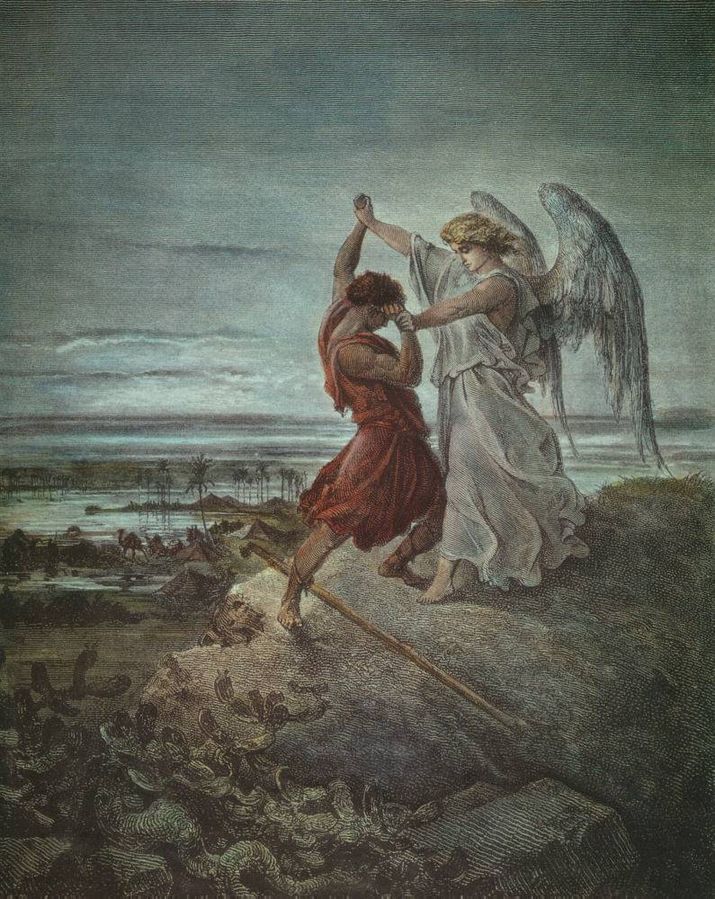
Jacob Wrestling with an Angel (by Gustave Dore)

The Four Ages of Man

He with body waged a fight,
But body won; it walks upright.

Then he struggled with the heart;
Innocence and peace depart.

Then he struggled with the mind;
His proud heart he left behind.

Now his wars on God begin;
At stroke of midnight God shall win.

–1934

Message

In poetry, every work deserves to be judged on its own accord and its own merits. No poet adopts a single perspective or message, but their style often evokes a common trend. So it is with Yeats.

These works do a very good job of capturing the idea that one must be ever ready. It’s an aggressive defensiveness, and a robust reaction to the challenges of life. You should expect to face difficulty, and you should prepare to fight through it.

Position: #4

Yeats strikes me as a center back, but not your typical stout and serious center back. He’s more overeager, like someone who played striker as a kid, but kept being moved back on the pitch as they grew older. Now their job is to stop attacks, but they still yearn to be set loose at the spear of the attack. As time goes on he grows more blunt and aggressive than before. In short he’s both more physical than he needs to be and a little more confident in attack than he ought to be. It makes him a dangerous defender (both to the opponent and to his own side).

What do you think? Should Yeats end up somewhere else on the field? Did I critically misunderstand his style? Leave a comment below.

Next Time: 1943 Honoree TS Eliot

Nobel FC: Introduction

Nobel FC: Introduction

It is my habit to take on foolish and ill advised ideas blending things I love. It’s why there’s a collage of Economist covers in my classroom, and why I use my old baseball card collection as bookmarks.

That’s my way of introducing a new and extremely niche idea of sharing lessons that connect classic literature to football and football to classic literature.

Here’s how it will work: I’ll read some of the works of a writer who has won the Nobel Prize in Literature (it may seem arbitrary, but it’s a short hand of world-wide writers who inspire people the same way soccer stars can).

We’ll meet the writer and see what connection–if any–they have to soccer

We’ll look at one or two of their famous pieces and write a bit about their lessons and themes.

We’ll connect the themes from the work to our lives and to the things we’ve been seeing on the pitch.

And finally we’ll slot the writer into a spot on the pitch 1-Goalkeeper to 11-Striker to create a silly little team (possibly even with photoshop if I can figure it out). Hopefully we’ll see enough to create a full squad (maybe more given the long history of the award).

For now I’m just aiming to do this six times a year (writing about the winners 100, 80, 60, 40, and 20 years ago, as well as this year’s honoree when they are announced in October). If time allows I’ll work on the ones from before 100 years ago, but I’m trying to do a lot of writing and reading, so let’s just settle down our expectations eh?

I’ll drop our first installment on the first of March.