There’s always a slightly sad air to the end of Summer. The days get shorter. The freedom gets staler. The brightest greens and liveliest flowers start to droop and fade.
But it’s also an exciting time of year. For all the ends and declines, there are many important starts at hand.
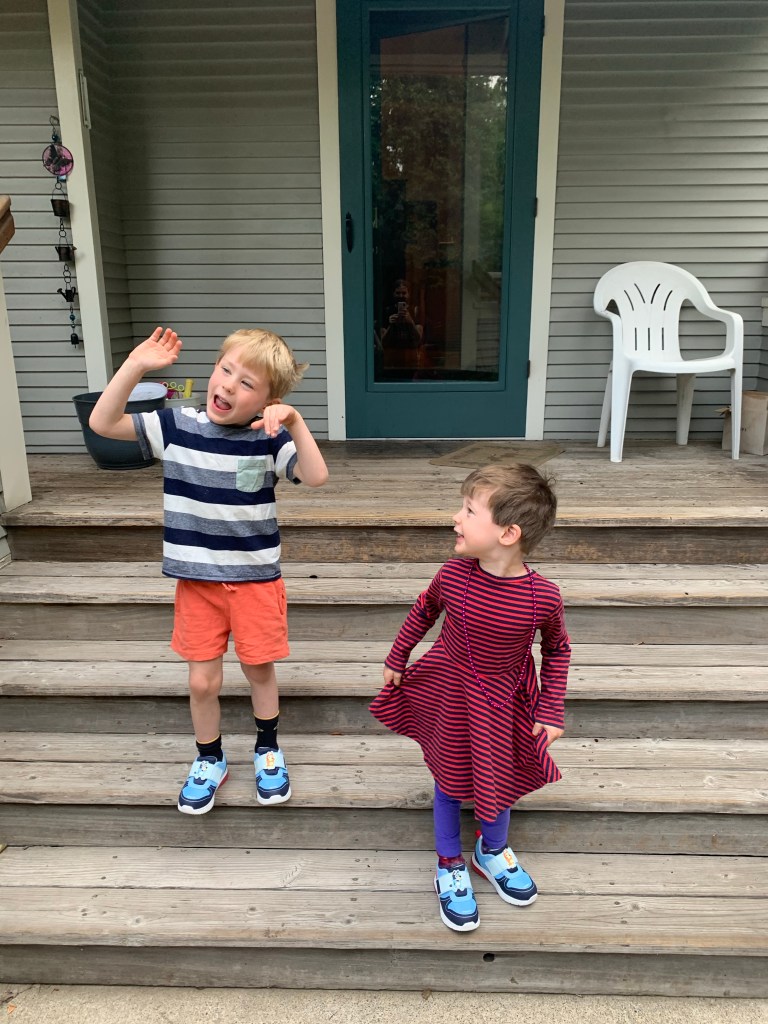
That’s especially true in our household. Alex is starting kindergarten. I’m going back into full classroom teaching. And teams around the world are starting new seasons.
Now isn’t just the time for things around us to change, it’s time to see our world and ourselves with fresh eyes.
Dear Boys,
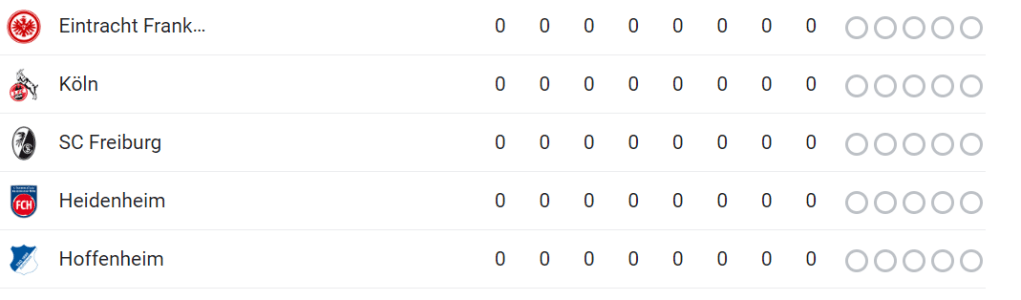
At the start of the year every soccer team is handed a clean slate. The league table is a beautiful string of zeroes. You can write your team down at the top of the league for possibly the only time all year.
In the classroom, the white boards and chalkboards seem totally unblemished, and you can imagine anything and everything on them. Before you walk into the room, you can imagine uncovering any number of universal secrets inside its walls, even the mystery of friendship, or the perfect fart joke, or how to write an “R”.
All of those possibilities exist because, during the summer, your time and mind was consumed with day to day doing and being. The previous school year or football season has just been gestating in your brain, mellowing, maturing, leaving behind ingrained skills and important areas for growth that you will now leap at with full enthusiasm.
Alex is hesitant to fail, but can, more often than not sound out the letters in simple Consanant/Vowel/Consonant words (“hop”, “but”, “red”, etc.).
I am leery of collapsing into bad habits, but I’m also more prepared to accept my limitations and work with less obsession in my grading and more gratitude in my everything else.
Guittieriez (Quadratin Oaxaca)
Our favorite teams are in new situations as well. Alebrijes brings their new coach Carlos Guitierrez with a new style into the mix. Freiburg will have high hopes for the new striker Junior Adamu, possibly being the dribbling, penetrating attacker that frees up Vincenzo Grifo to do more than feed the ball into the box. The Griz will have new keepers to audition including, fingers crossed, our favorite Aurora/Grizz Bayliss Flynn.
With all this new-ness you can feel like its time to start over.
But it isn’t.
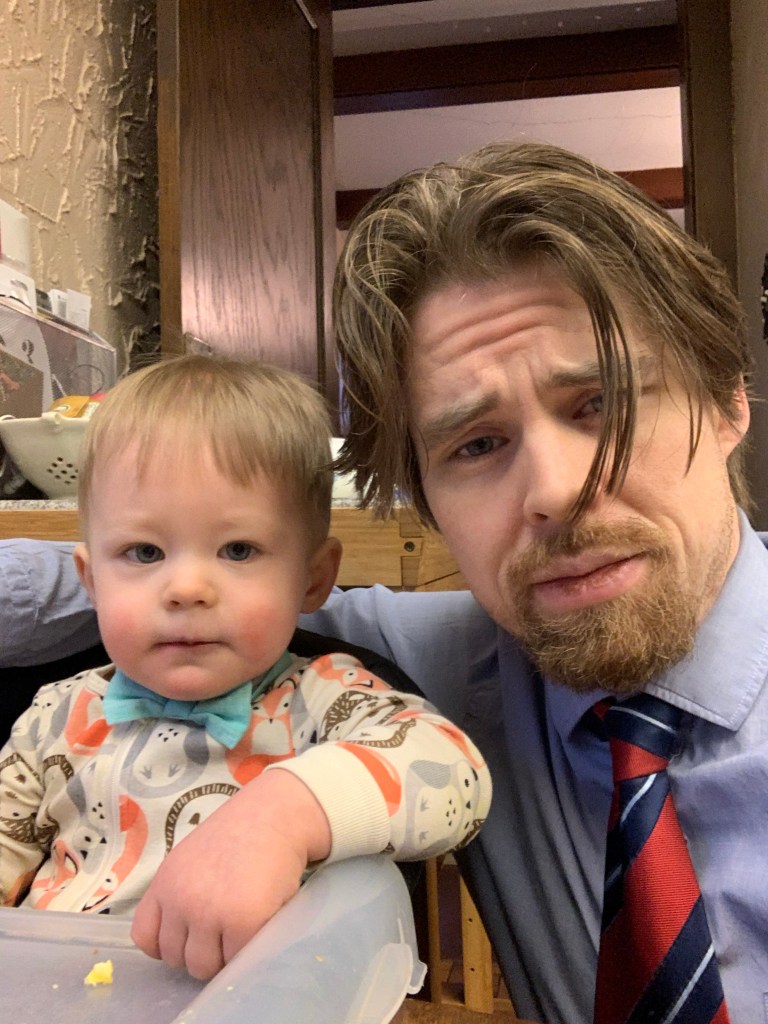
Don’t let the smolder deceive you…I wasn’t feeling good.
Yes it’s a new season. Yes it’s a new opportunity. Yes, you have new skills, and talents, and ideas…but you are still you. You still have the same history, the same memories, the same triumphs and tragedies.
Carlos Guitierrez doesn’t get to mind-wipe all of Oaxaca’s old habits. Freiburg still has a recent habit of fading out of top spots at the end of the year. I will always remember the hard, cold, charred sensation that came with another sheaf of essays weighing down my bag and sitting heavily on my conscious with guilty self-critique because I didn’t do enough to help every kid improve.
And Alex still wants to use whatever he learns to build and control a dinosaur robot. Chris Citowicki still manages to coax epic goalkeeping outings from the scholars who stand in Missoula.
This is a new season, just as last year was once new, and the year before that, and the one before that.
We struggled and we grew then. We will struggle and grow now.
It’s a new season, and a new-ish you, a new-ish me, a new-ish team. We have an opportunity to start again, with both our talents and our flaws to guide us. This new season, this new school-year, might be great, it might be hard, but it will definitely be what we make of it.
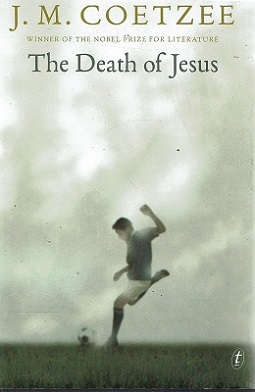
In the preparation work for the Nobel XI writing experiment, I read a book by prize winner JM Coetzee where the South African writes about an unfair soccer match.
For context, a rag tag group of local boys, including protagonist David, is groomed to play against a local team with more resources (a group from a do-gooding orphanage). When the local boys are summarily drubbed by the orphans, David’s guardian storms on to the field and denounces the orphans and their teacher.
“This is not a football game, this is a slaughter of the innocents…They are bullies. They win by intimidating their opponents…If you really want to test your team, Senor, you should play against stronger opponents.”
JM Coetzee The Death of Jesus
That same despair of unfair treatment occurs in a few other spheres of our Soccer fandom, and with surprising frequency in the women’s game.
In the USL-W Heartland, Minnesota Aurora is patently the dominant force. The biggest market, the biggest ownership base, the most accomplished players leading to consecutive unbeaten seasons and local conference titles. To our rivals in Chicago, Green Bay and Kenosha, our lovable little Aurora is the biggest bully on the playground.
Dear Boys,
At the same time, half-way around the world, the Women’s World Cup has kicked off with its largest ever field. It will feature teams from 32 nations in action (the same as the men’s, though for less prize money). There’s been some celebration about the growth of the game, but there’s also been a lot of handwringing and cogitating about the lack of quality that comes with expanding the tournament. Many expect big sides like Sweden, Norway, England, France, and (of course) the United States to win, the only question is by how much.
To paraphrase the concern as voiced on a recent World Football by our one-time reader Mani Djazmi: these uncompetitive games can turn off viewers. People will know what will probably happen and therefore won’t watch until later rounds when a few true contenders are left standing. This will lead to lower ratings which leads to lower revenue which leads to a lower perceived value for the women’s game.
Better then to have the best teams play the best teams, and leave potential punching bags like New Zealand and Haiti, Zambia and Vietnam out of it.
But to me disliking the bully or wincing at blow outs is only one view of the situation.
Rather than viewing it as bullies and blowouts creating hurt feelings and lost value, what if we re-center around the perspective of those teams who are out on the field.
The teams who face Aurora might well be frustrated not to be winning trophies, but they are (like Aurora) largely college and High School kids who want to get better. Who are there most of all, to learn. They get a chance to spend a few summer weeks as semi-professional athletes with big crowd and televised matches and newly built friendships.
Batcheba Louis and Alex Greenwood in action
The teams who are on the field are stepping up to a challenge. We could continue to focus on the teams that are likely going to win, but we could also set that aside and talk about how great it is to see a team like Nicholas Delpine’s Haiti stepping up to a challenge. Connecting women from a global diaspora to support their home country, learn, and grow.
Sports, and soccer in particular, isn’t just about who won and who lost. It’s about after the final whistle too.
If you boil it down to the end result then, yes, you don’t need to report much on Haiti because they don’t have much of a chance. But by that same logic, since the vast majority of teams around the world aren’t getting hardware this year, we probably could write about only two-three clubs in every country and ignore the rest. It’s the theory of the Superleague all over again, but more well-intentioned than that ill-begotten cash grab.
But if you consider what comes after the final whistle, then it’s not about who won or lost. It’s not even about why they won or lost. It’s about how teams learn from what they experience.
You can learn by doing like having success against the greatest opponents. But success need not be defined by winning: Sherly Jeudy set up some solid chances for her teammates in Haiti’s game against England. Those are great, and, knowing Sherly, she’ll look for ways to make them better.
And you can learn by seeing: there’s no shortage of great examples in your opponents. Whether you faced off against Tianna Harris or Cat Rapp, you can learn from what they did. After all, they aren’t your enemies, they’re just your opposition.
If it seems like your team doesn’t learn anything after these lopsided games, then you have learned one thing: you need a new coach.
And in addition to all those fuzzier outcomes, occasionally surprises and upsets happen and we’re all better for it (to wit the long standing giants in Norway getting beaten by New Zealand in the league opener, or the team that matched Aurora last year failing to make the playoffs this year).
In reality, everyone, every day, can only control two things: their actions, and their attitude.
The risks of blow out games (whether to goliaths of women’s soccer or a fictional team of orphans) may appear great. The actions of your beloved side may not match your opponents. But ultimately your attitude affects how you respond, and how you learn from the experience.
One of my personal pet peeves as a kid growing up was when teachers or classmates would explain why certain things had to happen by falling back on the old saw: “Rules are rules.”
As a kid it seemed basic, trite, and not very informative.
As an adult who uses it more often than I probably know, it usually comes up when I don’t particularly want to explain something (or actually can’t explain it well, but still want to control the situation).
Even as a kid, I understood that some rules helped and organized us. Both then, and now, I don’t want to live in a world without rules.
But the dirty little truth is, “rules aren’t always rules”, no matter what parents or teachers say. Every rule has an exception, and every exception can be expanded. You should be mindful of the fact that what we perceive as an iron clad rule, can still be studied, explored, experimented upon and finally: changed.
Or as put more simply in your mom’s favorite Cinematic masterpiece:
In the recently concluded soccer season, I had two difficult realizations that what I had long assumed were the permanent rules, were in reality…guidelines.
The women of Grenoble were the first to face the new rules, and they fell on the foul side of things.
I thought the rules for the final standings would be the rules I’ve always known:
Of the 12 teams in Grenoble’s division, 1 would go up to Ligue 1, and two would go down to the national leagues.
Grenoble was 7th heading into the final match, so they should have been fine.
Except
The rules changed: Only six teams would be safe from relegation: the winners who went up to Ligue 1, and the five following sides. Everyone from seventh on down was heading to the national league.
Okay, I thought. That’s a big rule change, but if you’re going to make a single second division league, then this kind of cull will have to happen. So seventh isn’t good enough any more, but I know how they will move up in their spots past rival Albi Marsaac:
Get more points than your rival, basically win when your opponents lose (in this case, Albi lost while Grenoble got a draw, but I assumed there was still hope because)
Have a better goal difference than your rival…(in this case, Grenoble had a four goal cushion, and Albi’s loss made it even clearer, Grenoble wins!)
Have a better head-to-head record than you rival….(in this case, Albi won both of the games back in November…but it should be moot because Grenoble has the goal difference…right?)
In addition to the change in relegation, France decided to alter the final positions so that it was decided by, points earned (wins and losses), then head-to-head record, then goal difference.
In theory, I would have to say: okay, that tracks. I’m used to things working the other way, but I suppose this would be kind of a naturally embedded playoff happening within the league each and every week, and direct competition beats an average.
In reality, now that head-to-head record trumped goal difference, what theoretically made sense was profoundly unfair because it cost my preferred team.
I still can’t quite believe that the French Federation didn’t ask me about this rule change. I mean. The nerve! I am the foremost French Women’s Second Division Blogger in the Upper Midwest! And they didn’t ask MOI?!?…sorry French Federation, that was sarcasm.
But in the highlands, another rule change served our team very well.
Again I thought the rules were the rules. Ross County had to play Partick Thistle both at home and the road, with the result being decided the way I always knew.
Combine the scores over the two games and the team who is ahead overall wins. (In this case, it ended County 3, Thistle 3)
If tied, the team that scores more away goals wins (Thistle 2, County 0…and pbbbt go the Staggies)
If tied on away goals, there’s a final tiebreaker of penalty kicks (but as noted above…the Stags already went pbbbt)
I’ve already recapped the wildness of County’s final game, but I truly was despondent seeing them comeback to tie it up only to think…but that one Partick Thistle goal made all the difference.
Scotland had chucked the away goals rule, which enabled all that followed, including the celebrations in a quiet corner of St. Paul, Minnesota.
(Again, on theoretical reflection: I can see why scoring on the road is harder than scoring at home and thus worth some extra credit, but it also feels like a pretty meager argument as opposed to say…winning games).
These may seem like silly little case studies, and they are. But they both highlight a truth: we want to protect rules that help us, and are ready to chuck the rules that don’t.
Protect the rule that would have spared Grenoble; chuck the rule that would have cost County.
After all, rules are rules, but I’d like them to be more like guidelines.
It comes up outside of soccer too:
At the start of this month, the rules changed for me, and for the dozens of people who work with me.
Dear Boys,
Our school, though its prone to bat infestations and crumbling…everything…has done well. Students have made major growth in their learning. Families have reported that the staff is engaged, caring, and committed to the community. You boys have been able to join in, and play merrily with colleagues and kids (as shown by the bouncy slide pictured here). Our school, despite some real problems, consistently rate as the best school in our little crew of four buildings. And the rules of schools make it pretty clear that you don’t close schools that do well.
But rules of schools also say, you have to make do with what little you have.
Rather than paying for us to stay in the ramshackle old school, our group of schools closed the building I worked in. To follow one rule, they had to break another. And so, the team of educators who worked so well together has been somewhat scattered. The emotions that get so tied up in a place were buffeted this way and that.
But my colleagues were still hurt. They wanted to protect the rule that would have kept us safe, and ignore the rule that broke us up.
Rules aren’t rules.
And hard as it is, when rules change, when they morph or adapt or turn into “guidelines” there’s not a whole lot you can do.
Grenoble will play in the lower league next year.
Ross County will stay in the top league no matter what Partick Thistle prefers.
My colleagues and I will teach in an odd little niche of another building come August.
I do believe that all will be well. You don’t need to be in one place to be a quality teacher. The place doesn’t make the school, the people do, and while I will miss those people who have moved on, I’m ready to help those who remain. (Just as I’m sure, Grenoble’s ladies will be motivated to get back to the upper league.)
Things change, and it’s important to be ready to change with it.
Changes happen and much as we predict perfection, or fear the unknown, we won’t know until we see it–it’s an experiment, and because rules aren’t rules…they’re more like…guidelines…we can change them and change them and change them again.
As the parent who takes charge of your breakfast and lunch, I know that favorite meals come in fads. I made salmon cakes throughout the pre-pandemic winter; I have a full mac and cheese preparation routine; I know that Owen’s smashed egg sandwiches aren’t finished until I say “smashy, smashy”. But few meals have as much meaning for life as Alex’s beloved jelly toast.
Dear Boys,
When bad things happen to favorite meals, there’s a lot of frustration.
Frustration might be underselling it.
When bad things happen at all, there’s a lot of tears/screams/flailing/doomsday talk . It makes sense after all. At only three and five years old, you boys feel everything more deeply because you only have so many experiences. Things are the best thing ever or the greatest injustice of your life, because it’s your life, it’s your ever. And every day and every problem feels like a big deal because you are (often) dealing with it for the first time.
I saw that drama start to take root one morning as the jelly toast tumbled off the kitchen counter.
“Whoops!” I Said, “we can get that!” But cheery as I sounded, Alex’s face had already clouded over like a microburst on the prairie.
“Hey Bud,” I said, “I see you’re upset. I think we’re gonna have to just blame it on the jelly”.
Alex looked confused, and I tried to explain, but quickly realized the best solution would be to show the video that inspired me.
Local goalkeeping hero Sammy N’djock might have had some shock going from Cameroon to Turkey, to Minnesota, but he was an excellent keeper, and a great role model in trying times.
That own goal was arguably one of the ugliest of the year. It was played on social media, it was laughed at around the world, I heard it talked about on multiple podcasts and given the goofy low-lights treatment on cable tv. But Sammy N’djock didn’t collapse when it happened, he (and the Minnesota United Team made a joke of it)
When the video was over, Alex laughed. “He made a mistake because there was jelly on his gloves!”
“Not really, Bud.“ I explained, “but he made a mistake, and rather than scream about it, he chose to laugh and move on. He just blamed it on the jelly, and it was over”.
I had hoped that this would give Alex an easy way to remember that even the most embarrassing moments are just that: moments. Even the hardest times can be learned from. The greatest embarrassments are just one laugh away from making you smile.
Lots of goalkeepers know that lesson. But Sammy N’djock, modeled that so well. A short memory, a positive approach and a good sense of humor all help you accept that hard times are real, but they aren’t the only times we have.
I wish I could say that “blame it on the jelly” helps Alex and Owen just laugh and let go of frustrations. (I wish I could say, I followed it all the time–but I don’t.) But the big feelings keep crashing over us, and sometimes we handle it, and sometimes we don’t. I don’t expect that this will solve everything, but I hope that, when you face big frustrations that could unsettle any adult, you can be like Sammy N’djock and blame it on the jelly.
You kids are coming of age in a world where everything you could want to hear is a tap away.
“Yeti song!” tap and we sing. “Harry Potter book!” Tap and we hear it. “Not that one, #3!!!” Tap tap, fixed.
This isn’t to start a “back in my day” whine session (it was pretty easy in my day frankly {open, slide, slide, push} but your grannies could bend your ear about it).
Instead this is a note about what it means to be that easy, and what we can do for it.
Dear Boys,
If you had told 11 year old me “tap and you can hear five soccer stories from all around the world” I would have been stunned. But when the tap to play revolition began in earnest (about 11 years ago) that was one of the first things I found.
The BBC World Service, a radio station for (as the name implies) the whole world, hosted one of the first podcasts I listened to. For the last decade plus almost every week has included the reminder “world service, world football.”
Robben Island (from Britannica)
I heard the vintage voice of Alan Green bring to life a visit to Robben Island prison in South Africa. The island where Nelson Mandela was imprisoned, but found solace in watching the soccer matches that inmates held.
I heard the dulcet tones of Mani Djazmi narrate the experience of going to the World Cup to cheer your favorite side (Iran in his case) even if you can’t see.
I heard interviews with legends, and conversations with modest amateurs. Every report felt important from Samoa’s experience with a gender fluid athlete, to the memories of a globe trotting coach fleeing a dangerous regime. In a world where there’s fierce competition to cover the biggest games and attract the most eyes, World Football was an oasis of opportunity for everyone.
As Mani Djazmi said in the last episode
“We’ve had stories and contributors from at least 160 countries and territories as we’ve tried to shine a light on stories that were beyond the top five European leagues and Champions League. Every week you’ve allowed us into your lives, hopefully as friends…”
World Football “The Final Goodbye” 3.24.23
That friendship is truly one of the main drivers in me writing these recaps and essays for you boys. At times growing up, I felt alone and uncomfortable because while boys my age in my town were fighting over tiny insults or trading pictures of cheerleader teams, I was imagining what it would be like to watch Carlos Valderamma in the green hills of Colombia, or to wear my green Diadora jacket down a snowy Manchester street with knowing nods, or even general indifference (in Montana it reliably led kids to shout “diarrhea” every time I walked by–like I said, I felt uncomfortable).
From Left Heather O’Reilly, Pat Nevin, Mani Djazmi and Peter Odemwinge (from World Football on Twitter)
I hope that, by connecting you two to soccer stories and struggles all around the world, you can see those connections. You can recognize that whether you like soccer, or astronomy, or imagining that you’re an ice princess, you can connect with people far beyond your house, your street, your school.
More than amusement, your connection to the world in all its beauty and difficulty is just a tap away.
World Football’s niche programming, like many shows of the World Service, was cut back recently. I’ll likely go several months between rounds of Mani, and Pat, and Hey-o connecting themselves, and me, to the wider footballing world.
But the connections are still there, even if you don’t grab them every day. Just knowing that we are connected is a comfort.
The Twin Cities have seen 32 years go by since one of the big sports franchises in town won a title.
There have been smaller victories: college teams that top the land, minor league titles in baseball and soccer, and a truly dominant women’s basketball team.
But ask most fans to talk about Minnesota Sports and the story they tell you is one of pain and defeat: with phrases like, “the Cuzzi Call”, or “Gary Anderson’s Wide Left”, or “Bountygate” sure to bring a rueful sigh and a wince of emotion. Heck just say “New York Yankees” and your mom and I may let loose very un-parental profanity.
Part of doing this writing project for the last three years has been to put some of those defeats into context. To write about how sports are not better or worse because you win or lose. To try to raise you boys up to accept the defeats with grace and good humor rather than embittered angst that you see in the sourest local fans.
But it’s also to appreciate the great moments for what they are: truly special.
Dear Boys,
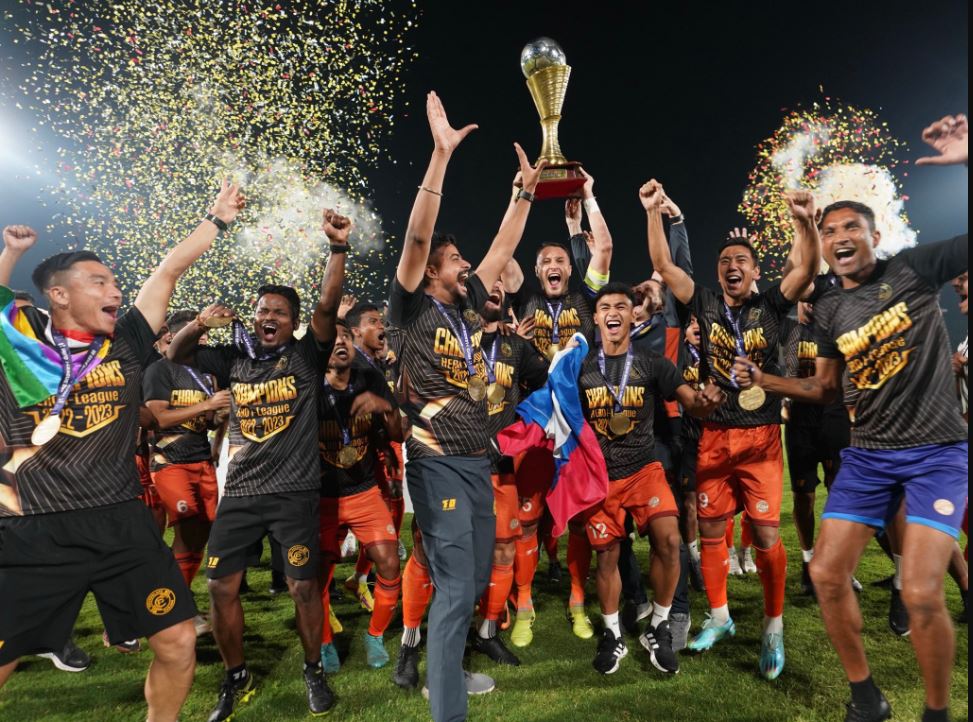
Most years, there’s not much to cheer for as a fan. In 2020 none of our teams took a trophy. In 2021 two of them (Emelec and Montana) picked up three between them. 2022 saw another round of positive performances that never included a golden trophy. This year was only 61 days old before one of our teams won a trophy.
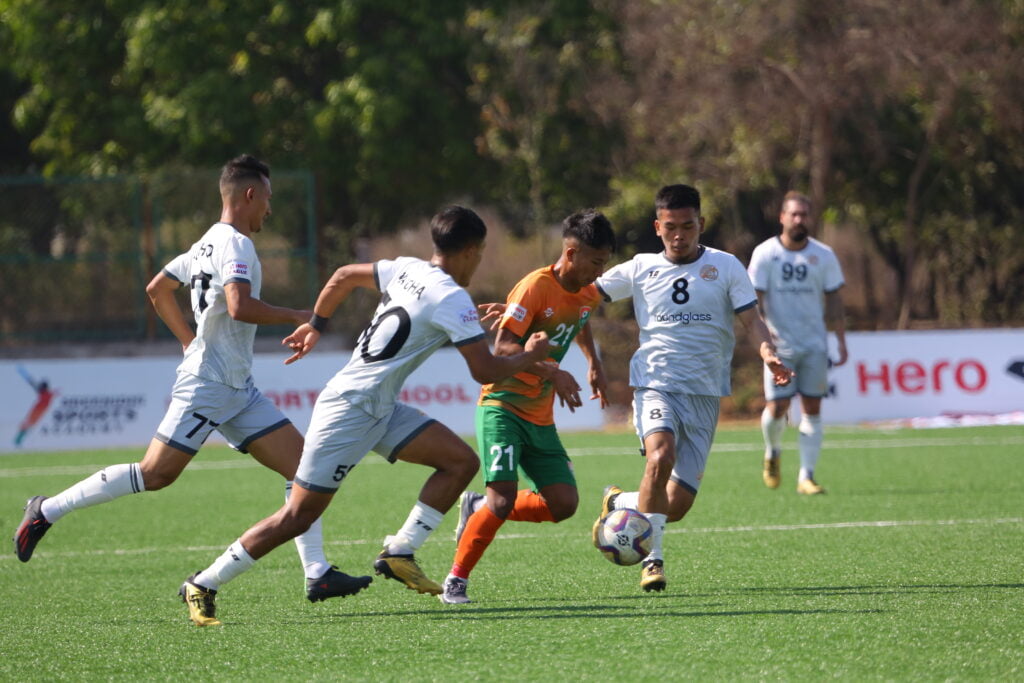
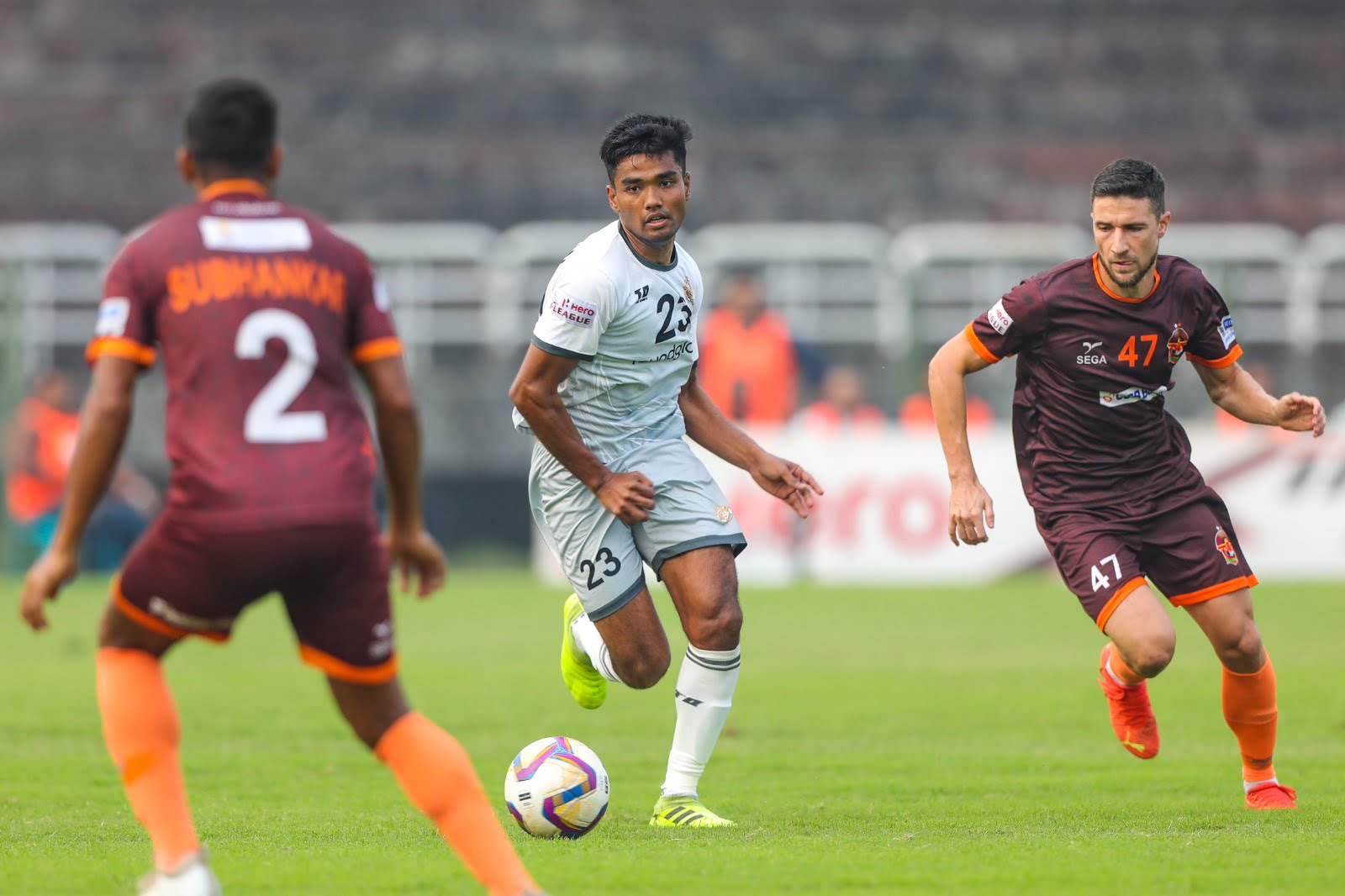
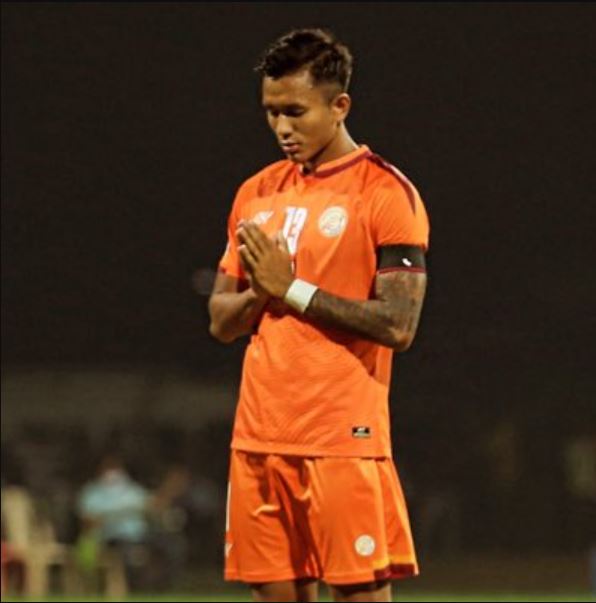
Chencho, Brandon, and Lallawmawma in a more desperate defensive position (view19.in)
That victory, that trophy, that triumph is undoubtedly special. We’re thrilled for the players, coaches and extra staff that work for Roundglass Punjab. It’s worth while just to sit and savor it for a moment. But it’s also a great opportunity to learn a lesson from it as well.
While Emelec ran away with their league and the Griz took one tournament title through grit and another by default. But Punjab’s triumph was less secure.
In fact, just a week before their triumph hopes were fading.
They trailed a rival (Sreenidi Deccan) by goal difference, and Punjab had arguably the harder schedule ahead. They couldn’t just win, they needed to win by wide margins AND get help if they were going to take the title. A glaring defeat to Deccan seemed to loom bigger and bigger as the matches passed.
And then, it all seemed to fall into place.
No championship is won without a clear plan and organization: chaos does not yield results with any consistency. They went unbeaten in their last ten games. Punjab had one of the most impressive attacking trios of the league. Their goalie has conceded only 1 goal in the last 540 minutes of play. Powerful offense and stingy defense…that’s a pretty easy way to win games. They built a team to do it, developed a plan for it, and executed it perfectly.
Ashish Pradan before a decisive bit of good luck. (view19.in)
At the same time, no championship is won without a sizable amount of good fortune and Punjab’s title certainly shows that too: Deccan’s 4-0 loss to 10th place Mohammadan SC was a huge boon to the cause. The availability of Chenchyo Geltshen to create a three-headed monster at the front of the attack was not expected but extremely welcome. An own goal scored by Gokulam FC accounted for a game that might have been a draw to give Punjab all three points.
Some people will tell you that it’s better to be lucky than good. Punjab is certainly good, and they might be a little luckier than most. But their victory shows an honest reality: the best results come when people make the most of the luck they get.
Success isn’t just about a plan, and it isn’t just happenstance.
Success is a combination of good planning and good fortune.
And as Minnesota sports fans know: success is truly special.
This is a time set aside each year to be extra intentional in how we consider and study the lessons of Black History Month in our nation.
There is no wrong time to study this, and this is certainly not the only time to study this, but it’s good to bring some intention to the work we do and how we do it.
At first glance, you might not see the effect of Black History in our lives. We are white men. We can, if we so choose, read stories and learn histories that emphasize people who look and think like us. We can blinker ourselves to the belief that we are here because people like us have done everything of importance.
But we choose not to make things that simple.
Dear Boys,
That’s Briana Scurry. Specifically, it’s young Briana Scurry from her time playing youth soccer (like you) in the Twin Cities (like you). Arguably, the greatest goalkeeper in the history of the United States. Certainly, one of the most impactful athletes of my life time.
I could teach you about Scurry’s superb play. She controlled the goal for the Women’s National Team en route to a World Cup title and two Gold Medals. She was the quintessential American keeper: poised under pressure and fiery in her leadership. But playing very well isn’t where the impact comes from.
I could talk to you about how she broke new ground. She helped to start the agitation for equal pay between the women’s and men’s team. She was a woman of color and an openly gay athlete at a time where it was difficult to be either, let alone both. But if we simply celebrate the accomplishments you miss out on the context that surrounds them.
I could discuss the challenges that complicated her life: the concussion that ended her career: the depression that endangered her life and her livelihood. But, fixation with someone’s problems can create a simplified view that makes someone little more than a victim of circumstances.
From OutSports.com
The truth is that Briana Scurry has handled all of those issues and more. She has gone through trials and tribulations and emerged the other side with a full sense of who she is and who she wants to be. Briana’s play created one of my most lasting memories of soccer, one that influences my work with it even now. Her historic legacy shows us there’s progress to be made and celebrations that go far beyond winning and losing. Her perseverance reminds us that there is much more humanity in our heroes than we acknowledge when we fret over wins and losses.
Briana Scurry’s story is much more than one post, or one game, or one lesson. She shows that there’s so much to see and to learn and to accept and to do if we open ourselves to everyone else. That’s what serves us best during these months of special celebration: it’s not a single lesson, or a particular inspiration. The lives don’t have meaning because they touch us, they are important because they are so complex, and remind us that we are all complex.
We contain multitudes. And everyone is better for it.
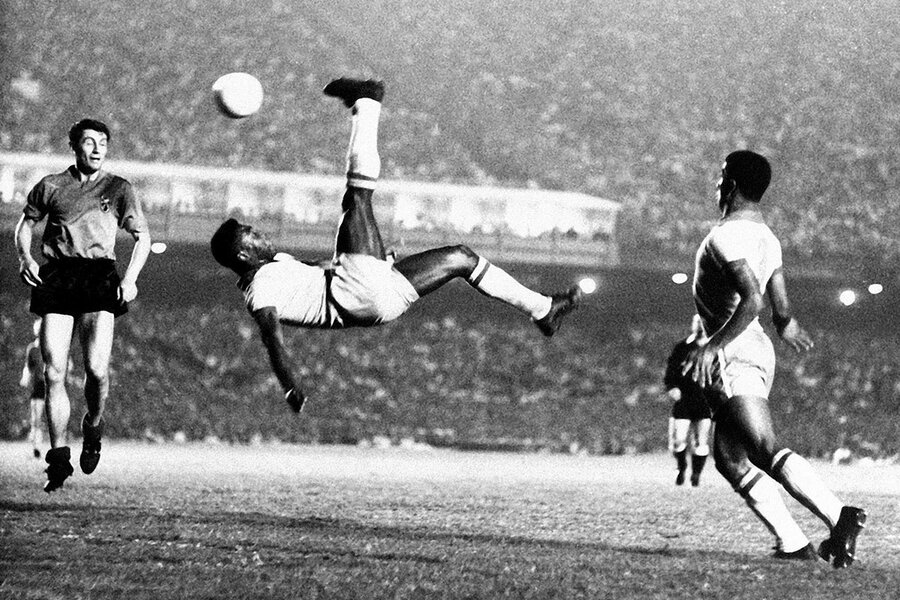
Perhaps the biggest soccer news story of the last month was the death of Edson Arantes de Nasciemento. Better known to the world as Pele.
Dear Boys,
I can’t add much to the memories, testimonials, and tributes to one of the most transformative players in the history of the game. I never met him or saw him in person. My appreciation of his game is limited to grainy clips on the internet and the regular opining of books and talking heads.
But, just as we did when his fellow legendary player, Diego Maradona, passed away, I wanted to take a minute and listen to Pele to share some of his advice with you as well.
As easy as it is to classify a player or a talent as other worldly and magical, Pele made no mistake what accounted for his records and his reputation
“Success is no accident. It is hard work, perseverance, learning, studying, sacrifice and most of all, love of what you are doing or learning to do.”
Pele
I’ve said all those things to you, but rarely as succinctly and clearly as Pele (or possibly his ghostwriter) did there.
You don’t luck in to doing things well. You have to work at them, struggle through them, let go of little things to make another better, and all of that happens when you care about what you do and enjoy the art of mastering it.
I noticed that same skill on display at the other end of the pitch in the first match of our year. As Ross County blunted wave after wave of Aberdeen attack, Alex Iacovitti was in the center of it. A leg here. A head there. He successfully spurned attack after attack. Though County didn’t win the game, it’s hard not to appreciate Iacovitti’s success.
As Pele points out, success isn’t simply victories, records, or trophies. It’s improvement, development, and growth, it’s an individual doing what they set out to do.
We give a lot of time and attention to athletes accomplishing big things, but it applies to every one and at every age.
Before the holidays, we had a serious job to do: writing a letter to Santa. Alex made his requests and then went to sign his name. It didn’t turn out how he had planned, and there was a sudden shift. Alex suggested again and again that someone else do it for him. That he couldn’t do it. That it was never right.
But he kept trying, kept working and ended up signing his name twice (he really wanted to make sure Santa knew who was asking). After seeing the frustration, the fear, and the anxiety of doing it wrong, it was a wonderful gift to see you celebrate learning to do something new.
There will never be another Pele, but there will be many other successful moments. I hope you boys relish those moments, and also appreciate all that went in to making them happen.
Here now is a run down of another years worth of soccer lectures (even though they came at an awkward pace)
Dear Boys
65 Saying goodbye to our pooch and remembering: love is the thing that lasts.
66 A vacation, a great indie-rock band, Alebrijes and Regan Charles Cook teaching us: all that is, is what we need right now.
67 A special note from Chris Citowicki: explaining how find joy and work through adversity.
68 Managers from Streich to Heath, more powerful leaders, superheroes of every stripe and the lesson that power isn’t part of people.
69 Watching the Loons playoff hopes and remembering to focus on the present moment alone
70 Encanto, Ross County, Burn Out and how there’s power and strength and beauty, just in being.
71 Alex’s strategizing: Keep it Simple, Son.
72 Owen’s realization while watching injuries and own goals that Good things can come: even from ouchies..
73 The World Cup, Harry Potter, problematic favorites and why it’s vital to remember that art is owned by the audience, not the artist.
74 valuable lessons from when we weren’t watching: .1 Rosenborg/Alebrijes teach us balance yourself, neither your strengths nor your struggles define you. .2 Minnesota’s teams and Ross County tell us there’s no place like home….so enjoy it while it lasts .3 Freiburg’s failing explains that much as we want the shiniest trophies, being your best, regardless of the result can be the greatest reward .4 Punjab’s long run showing that whatever else you focus on, life carries on. .5 Vozdovak offers the inspiration that Hope is a thing with dragon wings. .6 How Montana’s showdowns reflect that game recognizes game .7 Atrophy in Grenoble reminds us to never underestimate the element of surprise .8 Legon Cities needs to remember that love is love, but dependency is dangerous. .9 Emelec’s unfortunate outcomes force us to remember part of the journey is the end, and that’s beautiful too.
75 Being new Freiburg fans and how, even without a nice shiny trophy: the journey itself is special.
75.5. Obviously, 2022 was a weird year, but that’s the only sort of year we’ve had since you boys have been alive. We’re surrounded by more and more and more stimuli, but that’s to be expected. If this year taught us anything it was to remember: appreciate the present and what is, let go of the future, the past, and what you wish things would be.
This World Cup, like every world cup, had a lot to teach us. But one story stood out above the others: the fairy tale story of Lionel Messi.
Messi is world renowned, possibly the most famous soccer player of our age even though he looks like your run of the mill hipster barista. His skills make him possibly the most outstanding player alive, but to many he couldn’t compare with legends of the past, because he hadn’t won the World Cup.
This year was likely to be Messi’s last chance to win the cup. Think pieces, documentaries, podcasts, everyone was talking about Messi’s chance to end his career with a happily ever after. But when the tournament started with a stunning defeat to Saudi Arabia and a lackluster win against Mexico, many people began to talk about how it wouldn’t end well for him. So there was a lot of excitement and uncertainty as the next round approached.
Twas the night before the Second Round
And all ’round the earth
No one was comfortable
In their Round of 16 Berth…
–A silly poem I wrote to your uncles and grandpa before the second round
But as the tournament progressed, Messi grew into the matches. He helped pilot the team through the challenges of knockout matches. As time went on the best teams continued to win, and the best players continued to showcase their skills. Suddenly there was a feeling that Messi might yet win the trophy that had eluded him and end his international career with a flourish.
Still there was reality to deal with. Specifically the fact that real life isn’t a fairy tale. There are any number of fairy tales that could happen, but don’t. In this tournament there were fifteen other teams that felt just as destined. There was a raft of other great stories to hear and legends to tell, and there was excitement for all of them. There was every reason to expect that the fairy tale wouldn’t come true. And as first Australia and then Holland pushed Messi’s team to the limit, only for them to come out on top anyway. But there was still a final to play.
The upsets were over
But the drama was great
both legends and new stars
had made the last eight…
Then during the quarters
There arose such a clatter
Even non-fans tuned in
to see what was the matter
Surprise wins delighted
and PKs caused pain
As Brazil and Ronaldo were ousted
And so too, Harry Kane
Three more stanzas of poetry written after the octa/quarter finals
So we reached the final. The last team in the way of the fairy tale ending was France, the reigning champions, and a team with little patience for narratives. Your grandpa came over, and the whole world tuned in. It looked as though Messi would lead his side to an easy win…until it didn’t.
First one goal, then another, and France had the momentum. Messi scored again…and so did France. It seemed that the fairy tale would end…until, it didn’t, and the dream came true.
Then with the last whistle blown
and the trophy raised high
All our month-long obsessions
Vanished like dust in the sky
With Leo Messi triumphant
And Argentinean victory
We relish the moments
And call on our memories
–Post semis and finals stanzas
That was the big take away. Everywhere I turned, all those think pieces, documentaries, and podcasts, they all echoed the same thing. I tried to think of something different, another moral, another lesson, but honestly, that’s the truth. sometimes, fairy tales do come true (especially if you work tirelessly).
That’s something worth remembering. Given that most of the World Cup carried the stink of corruption, of bribery, of abuse and intolerance, it’s easy to forget that there are magical things that happen. That cynicism can creep into everything that we do until we blind ourselves to even the non-Messi fairy tales.
Dear Boys,
I even saw it a few days after the tournament, as an article introduced a new series on another website. The Athletic will follow 7 players from around the world before the next World Cup kicks off in 2026. One of them, Bikash Yumnam, plies his trade for our own Roundglass Punjab FC. So this series is right in my wheel house, and I was discouraged to read a comment from a fellow reader.
I don’t see the point of following a player who’s still playing in the 2nd Indian division at age 19. He’s likely not going anywhere.
–Athletic Reader “Kim P.”
Perhaps I’m defensive of Punjab FC. Perhaps I’m sentimental. Perhaps I personalized an online comment that maybe took the writer twenty seconds to think about. But this is exactly what drives me crazy. We just saw a fairy tale ending for one of the greatest players of all time. Why can’t we suspend our disbelief and hope for a fairy tale for 19 year old Center back from Manipur?
We can. We should. Because fairy tales come true. Bikash likely won’t win the World Cup in 4 years, but maybe it will. Maybe his fairy tale will end with a Hero League trophy. Maybe it will end with an Asian Cup appearance. Maybe it will end with a hamstring tear that leaves him to find the love of his life. Who knows what it will be, but whatever it is, maybe we can appreciate the magic of it just as much as we believe in the magic of Messi.
Yay Likovic, yay Hakimi
Yay Doan and Gakpo
Yay McCallister, yay Kudus
Yay Adams and Ramo–s
We’ll cheer and we’ll cheer
all through the highlights
Happy World Cup to all
And to all a goodnight
–The end of my poem, another silly bit with dreams about future stars.











/cdn.vox-cdn.com/uploads/chorus_image/image/71058978/1142912103.0.jpg)







 MacKenzie's Boot Room