

Background
William Butler Yeats won the Nobel Prize in literature for his poetry in 1923. The committee noted “his always inspired poetry, which in a highly artistic form gives expression to the spirit of a whole nation”. The nation in question was Ireland, but the from and expression in question is something else.
Yeats was a part of an artistic family and carried on the family business quickly. He adopted the style of the time in his early years. He celebrated all things artistic, beautiful, and emotional while studying and employing references to otherworldly and the occult. As he aged, and as the country around him became a hotbed, first for revolution and then sectarian violence, he left behind some of the more philosophical studies and became more physical and combative, but remained just as artistic.
Works

To a friend whose work has come to nothing
NOW all the truth is out,
–1913
Be secret and take defeat
From any brazen throat,
For how can you compete,
Being honour bred, with one
Who, were it proved he lies,
Were neither shamed in his own
Nor in his neighbours’ eyes?
Bred to a harder thing
Than Triumph, turn away
And like a laughing string
Whereon mad fingers play
Amid a place of stone,
Be secret and exult,
Because of all things known
That is most difficult.
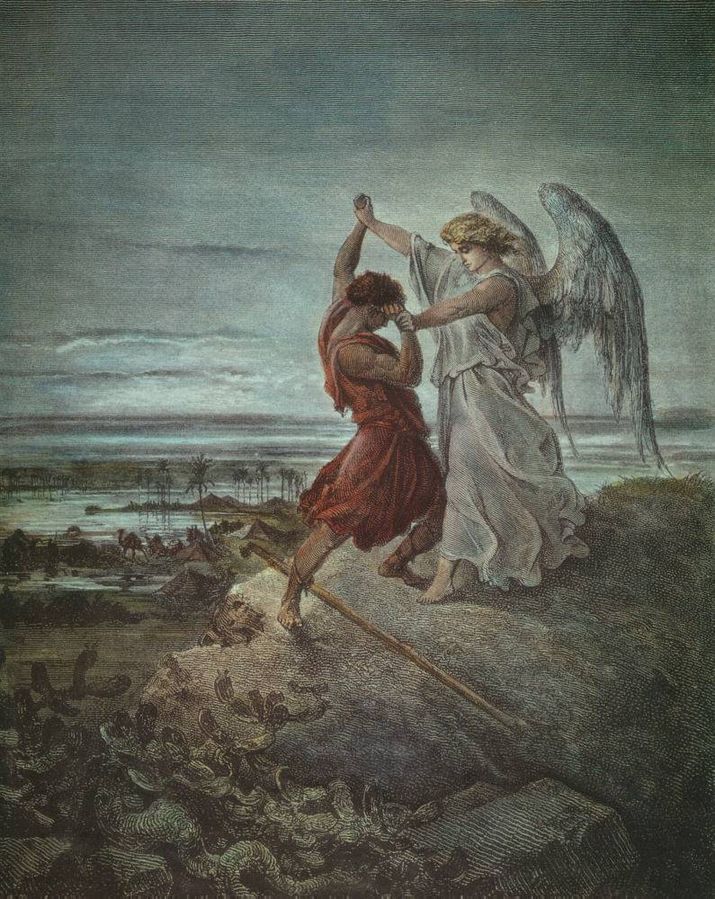
The Four Ages of Man
He with body waged a fight,
–1934
But body won; it walks upright.
Then he struggled with the heart;
Innocence and peace depart.
Then he struggled with the mind;
His proud heart he left behind.
Now his wars on God begin;
At stroke of midnight God shall win.
Message
In poetry, every work deserves to be judged on its own accord and its own merits. No poet adopts a single perspective or message, but their style often evokes a common trend. So it is with Yeats.
These works do a very good job of capturing the idea that one must be ever ready. It’s an aggressive defensiveness, and a robust reaction to the challenges of life. You should expect to face difficulty, and you should prepare to fight through it.
Position: #4
Yeats strikes me as a center back, but not your typical stout and serious center back. He’s more overeager, like someone who played striker as a kid, but kept being moved back on the pitch as they grew older. Now their job is to stop attacks, but they still yearn to be set loose at the spear of the attack. As time goes on he grows more blunt and aggressive than before. In short he’s both more physical than he needs to be and a little more confident in attack than he ought to be. It makes him a dangerous defender (both to the opponent and to his own side).

What do you think? Should Yeats end up somewhere else on the field? Did I critically misunderstand his style? Leave a comment below.
 MacKenzie's Boot Room