
Dear Boys,
If you boys end up sports fans, especially sports fans like me, you are going to have some hard defeats to swallow. The Vikings Wide Right? Sid Bream scoring from first on Barry Bonds? Basically any Yankees-Twins game?
But more than almost any other, when I think about the hardest losses, I think back to a match I watched on a warm, dark, night, with a plate of jollof rice, a roasted tilapia, a wine cooler, and a bunch of new friends.
I think about the “New Hand of God”, the last chance for “the hope of Africa”, I think about Luis Suarez v. Ghana in 2010.
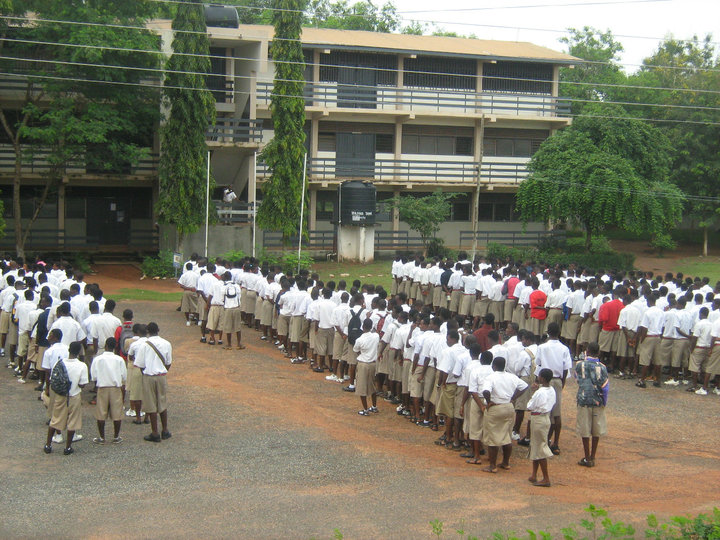
I had spent a month interviewing young Ghanaian student/actors about their sense of national identity and teaching Literature and Composition classes at a local high school ( “Playing the Part” pub. 2011 Bowling Green State University). At night, I’d call your mother, then my fiancee, and transcribe interviews while watching matches from the World Cup in South Africa.
A few days before, the US had been bested by Ghana…again. I’d been roundly jeered and jostled by every Ghanaian I lived near, worked with, and taught. By the next match, Friday, July 2nd, we were all friends again, and I was taking the night off from interviews to talk to the love of my life and watch the Black Stars.
It was…horrible. First there was the lead, the baffling long-distance strike from Sully Muntari. Then the anxious despair to stop any goals from the talented tandem of Diego Forlan and Luis Suarez. When Forlan equalized it seemed to doom us all. But the Ghanaians grew into the match, asserting themselves again and pushing on. When John Pantsil lined up the free kick it felt inevitable, and to see Stephen Appiah and Dominic Adiyiyah pounce, we were bubbling to burst into cheers.
Then…disbelief. Agony. Anger. Defeat. Suarez had stopped a clear goal with his hand. It was unfair, unjust, unbelievable. Instead of celebrating a hard fought but well earned victory, it was back to the penalty spot for baby striker, Asamoah Gyan.
I think it was Adama, my host teacher, pacing in front of the bar, who said, “no, no…not Gyan…he’s too excited-oh…”. And then…a clanging crossbar, an obviously agonizing penalty kick defeat, and a long, echoing, bitter silence. A painful feeling in a place that was so often music, and noise, and joy to see you.
That was a hard loss. It wasn’t just clearly hard for the players, or hard for me as a fan, it was hard because one whole nation, and so many more across the continent felt it. But, as with all things, it comes with a lesson.
We are marked by our pain, both in scars and in strength.
10 years on from that there’s been a recent spate of writing about the loss and the team that suffered it. But the story that comes to mind the most, is Homegoing , the American Book Award winning novel that has nothing to do with soccer, and everything to do with pain.
The book chronicles two families carrying the long legacy of trauma and tragedy from the golden coast of Ghana all the way to Stanford University and back again. It is beautiful, heartbreaking, and important.
Soccer isn’t that important.
Certainly a match ten years ago is nothing next to generations of stories and legends. However, there’s something about Homegoing that reminds us of the strength that comes with struggle. That through pain and degradation and angst come both our fears and concerns, as well as our strength and ability.
Asamoah Gyan went home last week. He’s said to have watched the match, and his failure at the spot dozens of times. It hurts me as a passive observer to watch it, and Gyan…it hurts him more.
I wish the match could happen again because it really hurts me every time when I’m alone. It’s something that I can never forget. I watch it over and over and over again and hope one day I can turn things around and make people happy.
–Asamoah Gyan (2014)

But that’s the thing. The memory hurts (he stopped taking penalties for the team shortly afterward) but it also encouraged him to set a goal, a goal he’s chasing now in Legon. A goal he’s chasing down the street from where I watched him miss, from where that echoing silence seemed to bury us.
It may have scarred Asamoah Gyan, but it also strengthened him. I hope your most painful moments do the same.
 MacKenzie's Boot Room