

When I was a kid (just what every child longs to hear) we heard a lot about equality. Teaches, pastors, and friends on Sesame Street urged me to “Treat everyone equally”. Your grandpa Bruce often got misty thinking of how we were finally “living up to the ideal that all men are created equal.”
They were fine sentiments, but misinformed. The world isn’t equal, nor does it treat everyone equally. What’s more, equality is more of an ideal outcome than a single act. Put it simply: equality sounds good, but often equitability helps you do good. So, a year after I taught you to say “fuck you white supremacy,” let’s take a moment to understand these distinctions with the help of soccer.

Dear Boys,
First, some definitions. Equality is grounded in the idea of sameness. Both of you boys deserve healthy bones and valuable vitamins, so you both get an equal amount of milk at every meal.
Equitability is grounded in the idea of addressing need. Owen doesn’t have the same level of muscle control or patience as Alex. So, while you get an equal share of milk you get an equitable access to cups. (Plain ones for Big A, sloshy/bottle-esque ones for Baby O)
As a teacher, I aim for equality in assigning tasks and assessing performance. I aim for equitability when I provide levels of guidance based on student’s developmental needs and language levels.
The fundamentals of the kitchen table and middle school lesson plans work in global systems of sports, business and culture too.

Sometimes equality is equitable. Women’s soccer is the same game as men’s. The players must train the same muscles, execute the same plays, and use the same equipment as men.
So those of us who watch, talk, and write about the sport should be equitable and provide the Women’s game equality in coverage. That’s certainly my goal, though I feel that I can still improve. But I hope you boys are as excited by Julie Blakstad, Hasret Kayikci, and Claire Howard as you are by Facundo Barcelo, Vincenzo Grifo, and Dayne St Clair.
The entire league system of promotion and relegation is designed to be equal. If you develop and retain talent, you can beat anyone. Then, match by match, step by step you can go from a tiny hamlet to the dominant club in the league. (Modern money might make that highly implausible, it it is still a remote possibility)
That’s the idea at least, but there are many who despair that this model isn’t applied equally across the globe. But this would be where what’s equal isn’t equitable. Each country has its own unique need for the game. Each competition ought to be for itself.
Relegation works where interest in the game is dominant, and supply is wide spread.
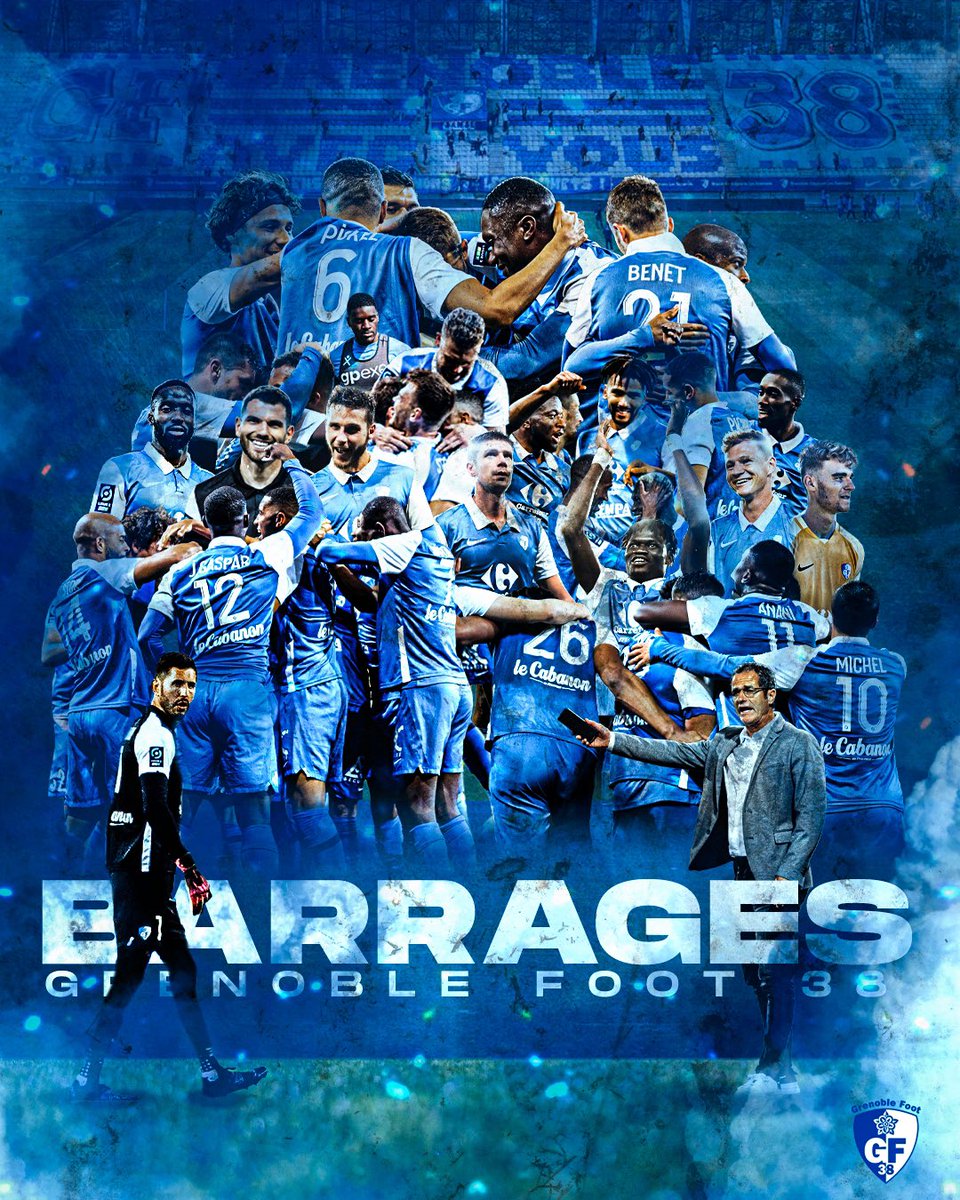
In Germany Freiburg has rallied from the third league to be a reliable presence in the top flight. In Serbia, the very real chance of Vozdovac falling down a level provides energy and purpose to fans in a middling season. In France, the thrill of even possible promotion has rallied a community.
These all reflect places where equality works. But they also reflect an enduring love of the game and commitment of community. (Germany and France each hold multiple world titles, and Serbia’s former home of Yugoslavia came close. All three countries routinely produce players on the globe’s top clubs, and their fans are legion)
But that’s not the case for all countries, or even most. So applying one model equally to all countries wouldn’t be equitable.
Take Scotland, a country where the game has faded in recent years. In response, they made a small switch, splitting the league in half so you play your peers when it matters most. So Ross County’s survival didn’t depend on Kilmarnock taking a thrashing from Celtic, but rather on the Staggies taking points from their peers.

Other countries made a bigger change. Neither India, nor the US have relegation, and Mexico hast postponed theirs for five years. Mexico’s choice comes in response to the financial uncertainty around clubs after the pandemic. That uncertainty is multiplied in India and the states. Neither has a long standing pro league. Both have huge countries to navigate and sparse rivalries or travel opportunities for fans.
India and the US are not France and Germany, or even Serbia and Scotland. Forcing these younger leagues to adopt an equivalent process would be foolish and might deter development of players, clubs and ultimately the game.
In time we in the US may be ready for relegation, but now, knowing when to be equitable and when to be equal is vital. (Less vital for an amusing sport than for say the future of public education and the federal government, but still…important…ish).
Both equality and equitability are important, but when you understand how to apply each, you’re in a much better place.
 MacKenzie's Boot Room