79. Farewell World Football

79. Farewell World Football

You kids are coming of age in a world where everything you could want to hear is a tap away.

“Yeti song!” tap and we sing. “Harry Potter book!” Tap and we hear it. “Not that one, #3!!!” Tap tap, fixed.

This isn’t to start a “back in my day” whine session (it was pretty easy in my day frankly {open, slide, slide, push} but your grannies could bend your ear about it).

Instead this is a note about what it means to be that easy, and what we can do for it.

Dear Boys,

If you had told 11 year old me “tap and you can hear five soccer stories from all around the world” I would have been stunned. But when the tap to play revolition began in earnest (about 11 years ago) that was one of the first things I found.

The BBC World Service, a radio station for (as the name implies) the whole world, hosted one of the first podcasts I listened to. For the last decade plus almost every week has included the reminder “world service, world football.”

Robben Island (from Britannica)

I heard the vintage voice of Alan Green bring to life a visit to Robben Island prison in South Africa. The island where Nelson Mandela was imprisoned, but found solace in watching the soccer matches that inmates held.

I heard the dulcet tones of Mani Djazmi narrate the experience of going to the World Cup to cheer your favorite side (Iran in his case) even if you can’t see.

I heard interviews with legends, and conversations with modest amateurs. Every report felt important from Samoa’s experience with a gender fluid athlete, to the memories of a globe trotting coach fleeing a dangerous regime. In a world where there’s fierce competition to cover the biggest games and attract the most eyes, World Football was an oasis of opportunity for everyone.

As Mani Djazmi said in the last episode

“We’ve had stories and contributors from at least 160 countries and territories as we’ve tried to shine a light on stories that were beyond the top five European leagues and Champions League. Every week you’ve allowed us into your lives, hopefully as friends…”

World Football “The Final Goodbye” 3.24.23

That friendship is truly one of the main drivers in me writing these recaps and essays for you boys. At times growing up, I felt alone and uncomfortable because while boys my age in my town were fighting over tiny insults or trading pictures of cheerleader teams, I was imagining what it would be like to watch Carlos Valderamma in the green hills of Colombia, or to wear my green Diadora jacket down a snowy Manchester street with knowing nods, or even general indifference (in Montana it reliably led kids to shout “diarrhea” every time I walked by–like I said, I felt uncomfortable).

From Left Heather O’Reilly, Pat Nevin, Mani Djazmi and Peter Odemwinge (from World Football on Twitter)

I hope that, by connecting you two to soccer stories and struggles all around the world, you can see those connections. You can recognize that whether you like soccer, or astronomy, or imagining that you’re an ice princess, you can connect with people far beyond your house, your street, your school.

More than amusement, your connection to the world in all its beauty and difficulty is just a tap away.

World Football’s niche programming, like many shows of the World Service, was cut back recently. I’ll likely go several months between rounds of Mani, and Pat, and Hey-o connecting themselves, and me, to the wider footballing world.

But the connections are still there, even if you don’t grab them every day. Just knowing that we are connected is a comfort.

Week 11: Every Team Every Where All At Once

Week 11: Every Team Every Where All At Once

Recaps

Juventus 1 – 0 Freiburg (M-Europa League)

It seemed for a while like Freiburg would get a draw against one of the legendary teams of Europe in that team’s legendary stadium. But Juve did what has made them a legendary team and found a way to win. Not all hope is lost, if Freiburg wins at home (and doesn’t allow Juve to score) they can advance.

Emelec 2 – 1 Deportivo Cuenca (M-Copa Sudamericano)

There was some joy in continental competition, as Emelec snagged another spot destined for an Ecuadorian team in the Southamerican version of the Europa league. Miller Bolanos capitalized on one of the best dummy runs you’ll ever see by Samuel Sosa. Bolanos also netted the winner after Cuenca had equalized from the penalty spot. It’s becoming a habit for him.

Grenoble 2 – 1 Annecy (M)

After some underwhelming results, Grenoble got a key victory in the battle between the best sides in the French Alps. Mathias Phaeton made the most of his start up top, finding a way to work free and clear when the ball bounced into the box. Jordy Gaspar pegged an assist and a few crucial bits of defending to help Grenoble top their regional rivals.

Minnesota 1 – 1 NY Red Bulls

Bongokuhle Hlongwane got the Loons first goal in the snowy confines of St Paul, and after New York got even after a pressurized attack at the start of the second half, Minnesota had most of the opportunities to win. But as the score line shows…they didn’t.

Radnicki Nis 2 – 3 Vozdovac

The Dragons love clean sheets. They either take one (usually against the best teams in Serbia) or they enforce one (on pretty much anybody else). This marked only the fifth time in 26 matches this season that both teams scored. Given that they’ve won three, drawn one, and lost one, maybe they could play a little more aggressively and trust that the defense will see them through, especially as Milos Krunic was superb in goal throughout the first half. Mihajlo Neskovic continued his strong form with another goal, and Niska Vujanovic notched one that was drilled so hard he got offered a carpentry job.

Punjab FC 2 – 0 TRAU

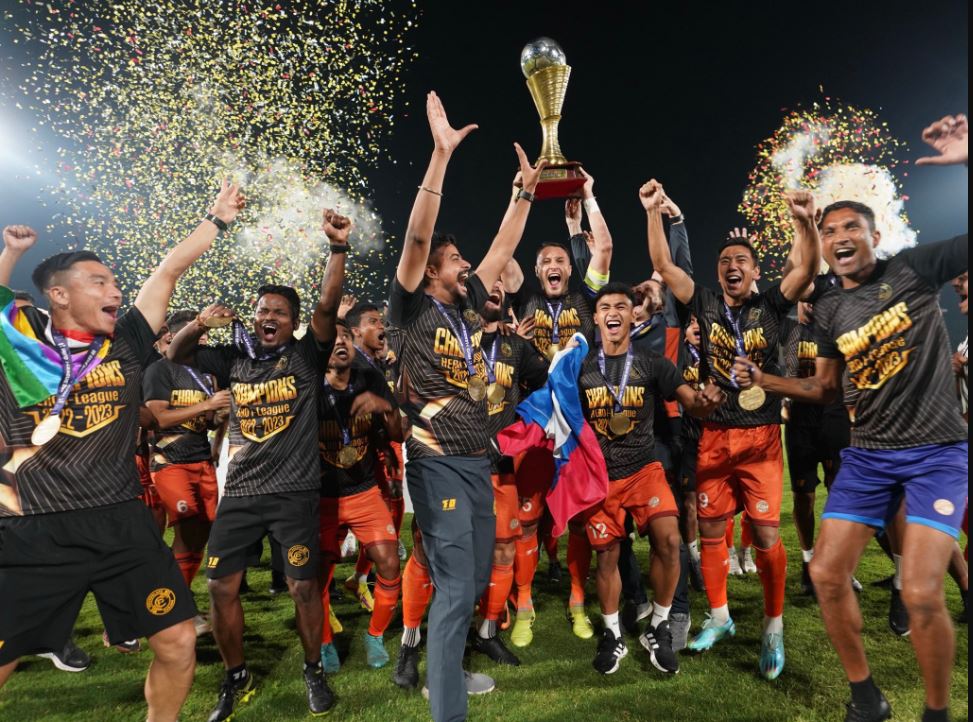
It was a triumphant homecoming for Punjab as they finished off the I-League campaign lifting the trophy that they so richly deserved. They did take a little time to trounce their opponents before the party got underway, with (who else) Luka Macjen netting twice (including once from an “I dare you” chip shot) to complete a superb 12 match unbeaten run for the Warriors. (Enjoy the highlights and do stay for the award ceremony celebration)

Freiburg 2 – 1 Hoffenheim (M)

The best of the Black Forest looked to be heading for another underwhelming result in a week full of them, when Ristu Doan slashed a volley on a low cross and snatched a late winner. Freiburg continues to linger on the outer edges of the German title picture, so hopefully whatever happens against Juventus, they’ll be playing meaningful football for the next several months.

Saint Etienne 4 – 0 Grenoble (F)

The ladies of Grenoble struggled against an undefeated Saint Etienne side, as you might expect. Franny Arpine helped solidify the win for the top team in the table with an own goal. The loss drops Grenoble to 10th place in their league, but only 4 points separate them from 6th place…so…who knows.

Berekum Chelsea 1 – 0 Legon Cities

The Royals know…that things are really bleak. Another loss for Legon sees them drop into the relegation zone for Ghana’s Premier League. A year of refocusing may not be the worst thing, but we would sorely miss some of the elite talent that would likely look to leave as soon as the final whistle blows. (Of course there are still 13 matches to go, so things can change, it just doesn’t feel very optimistic around the Royals right now.

SGS Essen 2 – 1 SC Freiburg (F)

Adding to the pessimist punch bowl, the Frauen from Freiburg lost their perfect record against lower table teams when Essen broke out at the start of the second half. Worse there was also an early departure for Hasret Kayicki and general disarray for the attack.

Viking 2 – 0 Rosenborg (M-Cup)

Yes our Norwegian friends are back in action! And they’re also immediately out of it! Truthfully, the fact that Rosenborg’s last round of the Cup came back in June 2022, raises the question of how reliable any of this is. After all, they had time to sign a prolific striker, and sell him between the two rounds.

Emelec v. Tecnico Universitario (M): Postponed

The entire Ecuadorian league was put on a pause this weekend. (See the note below for more information and some total fiction)

Alebrijes 2 – 2 UDG

The first half was pretty tame, but when the skies opened up and rain started to fall in the second, the goals poured in as well (which isn’t too surprising given how poor both team’s defenses have been this season) Alebrijes took the lead, twice. They gave it back, twice. Julio Cruz and Ernesto Reyes got the goals and Octavio Paz (not the poet) gave them back. Still a point is a help for Alebrijes.

News & Notes

More interesting reasons Emelec’s game got cancelled

Choose for yourself the reason why Ecuador’s league was cancelled this week:

  • The League went on a special Turtle watching expidition in the Galapagos Islands (to learn your boys favorite spanish word: Tortuga!)
  • A truly terrible round of farts went through every locker room and no one could be near eachother.
  • The tv broadcasters asked for a rescheduling for undisclosed reasons
  • Queen Elsa of Arandelle froze every field and the league had to call in the super hot laser blasts of Iron Man to thaw it.

One of those reasons is true (hint: it’s the boring business one), the others should amuse my children. I know which I prefer.

Speaking of TV

For the first time in…well…ever…I watched the Loons on our TV downstairs. This was made possible by the Loons league making a new and stunning deal to put all their games on a computer streaming service rather than regular TV (which your mom and I stopped having). This is a new move in sports TV, while you can get some matches for some leagues in other countries on line (as we sometimes do with Freiburg), this is a big local league wide gamble. If it pays off you boys will probably never know another way of doing it. If not…well…this will be an odd bit of trivia.

Punjab Wins all the Awards

Most movie awards this weekend went to a oddball movie that involved hot-dog fingers, body slams, and googly eyes.

Best Ensemble (From Roundglass Punjab on Twitter)

Most Indian Hero League awards went to Roundglass Punjab, who celebrated their status as the top team in the league with awards for Best Goalie (Kiran Limbu), Best Midfielder (Juan Mera), Best Coach (Staikos Vergetis). And with his two goals Luka Macjen won both the Golden Boot (for most goals scored) and the league MVP (since they’re sponsored by Hero motorcycles, they named the MVP the “League Hero” award…because they’re clever)

Dayne St. Clair: Style All-Star

’nuff said

Player of the Week

It’s hard to settle on a player of the week. While Punjab can rightly lay claim to another trophy, their win was more matter of fact than inspiring. Vozdovac got a great showing from their goalie to keep them in a tightly contested match, but I’m going to give the edge to Ritsu Doan who’s late goal made a huge impact on the mood around Freiburg (despite his goalless drought, he’s been so fundamental to making space for others–and for inspiring in the World Cup that I think he’s overdue for some recognition)

Ritsu Doan in action
(from Kyodo Times)

Standings

Rosenborg broke the streak of starting seasons with wins, and in so doing saved Ross County from dropping to the bottom of the table (just six more months until Montana kicks off!). Meanwhile Punjab again claimed the top spot but they won’t be resting on their laurels as the Indian Super Cup will kick off in April with more drama afoot and a chance to see RoundGlass against their future Super League rivals.

TeamWDLPPGGFAGAA
Punjab11212.502.640.79
Emelec2012.001.671.00
Minnesota1102.001.000.50
Freiburg6361.401.531.87
Grenoble7491.251.001.20
Vozdovac2231.140.711.71
Legon Cities2541.000.821.09
Alebrijes2450.911.271.45
Ross County2350.901.101.10
Rosenborg0010.000.001.00
Montana–b000
Table Updated 3/15/22
b–Team is between seasons

What’s Next

Thursday, March 16th

Freiburg v. Juventus (M-European Cup–Freiburg trails 1-0)

Friday, March 17th

Saturday, March 18th

Livingston v. Ross County

Cukariki v. Vozdovac

Sochaux v. Grenoble (M)

Delfin v. Emelec

Colorado v. Minnesota (M)

Sunday, March 19th

Freiburg v. Hoffenheim (F)

Legon Cities v. Aduana Stars

Mainz v. Freiburg (M)

Monday, March 20th

Tuesday, March 21st

Mineros v. Alebrijes

Wednesday, March 22nd

75.5 The Lessons from 2022

75.5 The Lessons from 2022

Here now is a run down of another years worth of soccer lectures (even though they came at an awkward pace)

Dear Boys

65 Saying goodbye to our pooch and remembering: love is the thing that lasts.

66 A vacation, a great indie-rock band, Alebrijes and Regan Charles Cook teaching us: all that is, is what we need right now.

67 A special note from Chris Citowicki: explaining how find joy and work through adversity.

68 Managers from Streich to Heath, more powerful leaders, superheroes of every stripe and the lesson that power isn’t part of people.

69 Watching the Loons playoff hopes and remembering to focus on the present moment alone

70 Encanto, Ross County, Burn Out and how there’s power and strength and beauty, just in being.

71 Alex’s strategizing: Keep it Simple, Son.

72 Owen’s realization while watching injuries and own goals that Good things can come: even from ouchies..

73 The World Cup, Harry Potter, problematic favorites and why it’s vital to remember that art is owned by the audience, not the artist.

74 valuable lessons from when we weren’t watching:
.1 Rosenborg/Alebrijes teach us balance yourself, neither your strengths nor your struggles define you.
.2 Minnesota’s teams and Ross County tell us there’s no place like home….so enjoy it while it lasts
.3 Freiburg’s failing explains that much as we want the shiniest trophies, being your best, regardless of the result can be the greatest reward
.4 Punjab’s long run showing that whatever else you focus on, life carries on.
.5 Vozdovak offers the inspiration that Hope is a thing with dragon wings.
.6 How Montana’s showdowns reflect that game recognizes game
.7 Atrophy in Grenoble reminds us to never underestimate the element of surprise
.8 Legon Cities needs to remember that love is love, but dependency is dangerous.
.9 Emelec’s unfortunate outcomes force us to remember part of the journey is the end, and that’s beautiful too.

75 Being new Freiburg fans and how, even without a nice shiny trophy: the journey itself is special.

75.5. Obviously, 2022 was a weird year, but that’s the only sort of year we’ve had since you boys have been alive. We’re surrounded by more and more and more stimuli, but that’s to be expected. If this year taught us anything it was to remember: appreciate the present and what is, let go of the future, the past, and what you wish things would be.

65. Who Owns Art

65. Who Owns Art

Last year, I wrote a lot about trying to understand the balance between our initial responses or judgements about a person (or ourselves, or our world) and the more complete, complex, context that surrounds us all the time. Some of those things come back in what I wanted to write about this month, but in a different way.

In a world with a surfeit of entertainment options, people infer a lot of your personality type based on what you consume. In a culture of infinite privileges, how you choose to spend your finite resources (money, and time) matters a great deal. And so, it’s not only the cultural products you like that matters, but the people who make it.

There’s a whole lot of judgement that circles around what you like. Who/what you support. Who/what you endorse with your time, your money, and your fandom.

Many people get stuck on the notion of liking something created or owned by a person who makes their skin crawl. Enjoying or endorsing the product or work of someone you disdain and disavow can feel awful. But, as I talked about last year, I hope you keep considering the context, and remember that art is owned by the audience, not the artist.

Dear Boys,

For your mom and I, the most contentious bone in this conflict is JK Rowling.

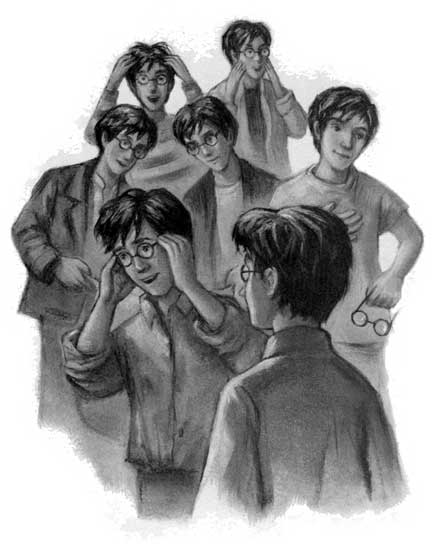
‘Harry your eyesight really is awful,’ said Hermione as she put on her glasses.

Illustration–Mary Grand-Pre

When your mom and I were beginning adulthood and eagerly offering books to your Uncle Simon and Auntie Julianna, there was no greater conduit to the world of literature than Ms. Rowling. Her Harry Potter series inspired millions, captivated and delighted billions. It spawned joyous expressions in new writings, and art, in film, television, song and community. It was beautiful.

And then she began to espouse some truly hideous beliefs about those who don’t fit neatly into one gender type.

Rather than accept that she might have more to learn, or that others might see things differently, she has doubled, tripled… centupled down on the notion that her view of people is right and all others are wrong. She has mocked people who found solace and opposite meanings in her books, and she has brought her now considerable wealth to bear to justify her views.

All this is so ugly, that some of the shine on Harry Potter has worn away.

We were still delighted when Alex asked to read them, often again and again. We were more than willing to watch the films, to share the games, and offer our own thoughts about the meaning of the series. But we also know a lot of friends who wonder why we haven’t shunned Rowling and her work yet.

This conflict isn’t entirely consumed by one author though. Soccer is filled with problematic personas. Loons winger Franco Frangapane offers a potent attack…but he also attacks people of different races. The same is true of Ross County coach Malkay McKay whose racist views likely affected his management.

Alex loving every minute

The very World Cup that has consumed the last three weeks falls in this bucket too. The hosts in the Emirate of Qatar have many fine and admirable qualities. They’ve created a small scale but globally inviting celebration of football to demystify the middle east. But they are quick to dismiss anyone who asks too many questions about how homosexual or immigrant people are treated outside of the stadia.

So for three weeks I’ve thrilled with stunning Mema Ochoa saves, and superb Ghanaian strikes, stellar American tackles and Cinderella stories from Japan, Senegal, Australia and Morocco. It’s been a pleasure to cheer the last runs of Messi and Modric, and to learn about Gakpo, Salisu, Doan, and Hakimi. But every game, every thrill, every moment is tempered by the uncomfortable reality that time spent celebrating Qatar, is time not spent promoting change in Qatar and elsewhere.

To chant for the Loons when Frangapane is on the pitch, or revel in wins masterminded by McKay, or express elation that our world has been connected in watching games seems in poor taste to many. I can’t say that they’re wrong.

From the Athletic

While all of these people (Rowling, Frangapane, McKay, and the World Cup organizers) present ideas or values that are directly opposed to what I would say or teach to you boys, the things they do and the work they create is bigger than them.

Art is meaningless without an audience. Whether it’s the crafting of a story on the page, the creation of a scoring opportunity, or a grandiose sporting event: none of it means anything unless an audience reads it, watches it, and considers it. Once it leaves the author’s hand (or foot) it ceases to be theirs alone, and becomes our collective property.

In that context, Harry Potter means what you want it to mean. The triumphs of Loons and Stags means something to me, regardless of what it means to the team’s personnel.

To some, that might seem convenient, an excuse to let me continue reading, watching, and cheering with a clear conscience. But I think it’s an active engagement: I won’t just consume and accept, I will watch, consider and make meaning on my own. I am not a docile sheep being herded towards hatred by Rowling, or Qatari billionaires. I am in charge of my own mind, and my free will allows and even encourages me to disagree.

So I will, and I hope that you boys do too. There’s a lot of beautiful things in this world, even though there is also a lot of ugliness. You decide what you see and what you do with it. That’s your power. Use it well.

67. Feel the Power

67. Feel the Power

You boys have a great fondness for super heroes.

Dear Boys,

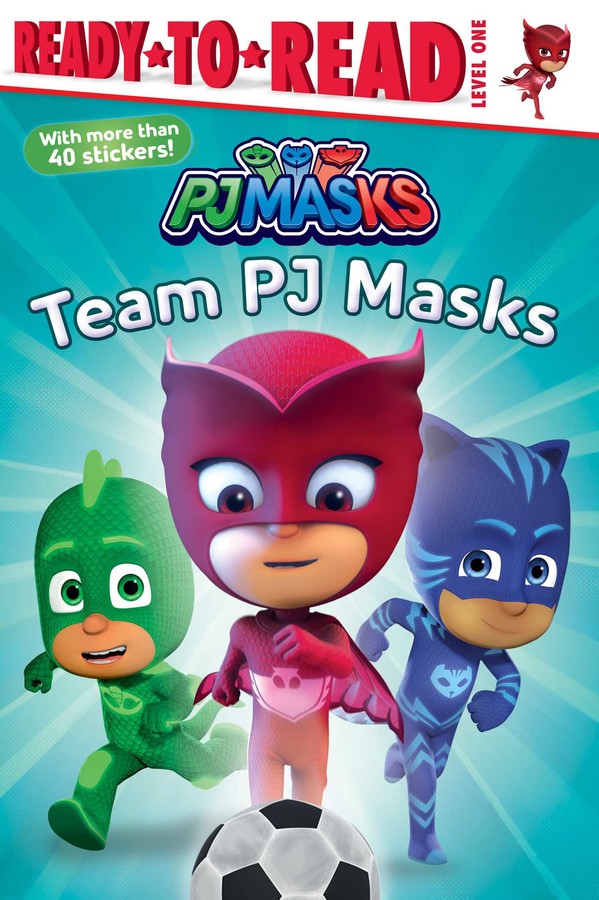
I mean, who doesn’t? Superheroes are awesome. Your uncles and I often spent afternoons being Batman, Robin and any number of different bad guys. You boys prefer Spiderman (he is cooler, to be honest) and also have room in your hearts for PJ Masks, Ms Marvel, and your own inventions: Builder Spider [Spiderman with construction powers], and Red Cape.

Superheroes are cool, and superhero stories are great. But there’s something that can get confused in the fun of saving the day.

Powers are fun, and the heroes behind them are often great. But power isn’t part of people.

Super heroes tend to come by their powers in unusual ways (radioactive spider bites, other worldly mists, tragic backstories plus ninja training, magical pajamas…) but all of them are people first, and then empowered people. Heroes hold on to their humanity and don’t confuse themselves with their powers.

With good reason. Power can make someone more than a person. Give them enough power and it can make them feel and seem superior. When that power embeds itself in a person it becomes easier and easier to confuse yourself for the power you enjoy and justify all manner of unfair habits, tactics, and tendencies.

Superpowers are easy enough to see as imaginary. But there’s a real problem with power in the real world too. In our world lot’s of people have power, and even more want it. That power might be physical, it might be political, it might be social, it might be economic. Once people have it they start to obsess over holding on to it. And when people confuse themselves with the power they hold, they can be downright dangerous.

Christian Streich knows power lies within (bayernstrikes.com)

Consider, the ways that soccer coaches struggle to acknowledge that they’ve made a mistake. You might find the occasional coach (Citowicki or Streich) who owns their mistakes, but many others find a way to turn it around and blame it on the players they work with (cou*Heath*gh!). It can save your job, it can keep your power. But to what end?

You can see it among players too. Players who earn a bevy of awards and heaps of praise have a tendency to see themselves as bigger than the game. It’s why many players end up in trouble: their power creates a sense that they are more than others, and then they forget what other people need (witness tax evasion, blackmail, mafia connections, and assault).

The man behind the “muscle” (The Economist)

At it’s worst, this obsession with power can drive a whole country off the rails. I certainly see it in domestic politics as people ignore what’s good for the country as a whole when there’s a political point to be scored. Even worse is the poop butt in Russia whose need for consistent power has led him to attack innocent neighbors and endanger his own soldiers for no reason other than increasing his empire and his need for validation.

There’s so many examples of power corrupting, twisting minds and actions to their worst ends that it’s easy to come away with a cynical view. But I have hope.

I believe that human nature is good. I believe that our shared humanity will lead us to do the right thing, even though our individual desires beckon us to do the wrong thing. Above all else I see you boys planning all kinds of ways to “save the day” and I think, “power doesn’t have to corrupt, you just have to know that it’s something you use, not something you keep.”

64.5 The Lessons from 2021

64.5 The Lessons from 2021

Here now is a run down of another years worth of soccer lectures (mercifully fewer as I work on talking less and listening more).

Dear Boys,,

53 Ted Lasso, the Capitol Insurrection and why it’s important to remember that before you are anything else, you are the best version of yourself.

54 Hamilton, back up goalkeepers and how you act in a crisis should show who you are, not make you what you want to be.

55 Punjab FC & WandaVision explain why it’s easy to pin blame on one person, but it’s more valuable to comprehend the context.

56 Fighting over a Ukulele, national guard troops in the streets, the European Super League and a reminder that: when you’re afraid, know that you’re not alone.

57 Comparing different forms of the game and leagues around the world to show how equality is an ideal outcome, but equitability helps you do good.

58 Ross County’s new manager and how you don’t have to tolerate intolerance, but you should tolerate people.

59 How Rosenborg and the men’s rights movement illustrate the value of owning your perspective.

60 Olympics, jersey swaps, the end of democracy in Afghanistan and why I hope that you boys find new ways to question expectations.

61 Moana, the Loons, the Griz and why painful moments can serve you well if you walk through them.

62 Accept Failure

63 Changing schools, vaccine denial and how emphasizing that we are all inherently flawed enables us to move forward together.

64 Politics, classroom management, coaches from Freiburg to Missoula and how to stop trying to be a force for change, and instead change your force.

64.5. So…what did we learn from 2021? Well, it was still hard to write something once a month rather than once a week, but I still enjoyed it (and as you both gain greater vocabulary I need to listen more and channel my lectures here only).

Overall this year, there are a lot of things that I can see coming together and coalescing from this blog, but maybe the biggest is this: resist the gut reaction to panic, or judge, or grab for what you think you want. Instead, remember the bigger picture and appreciate where you are and who you’re with.

55: Complexity

55: Complexity

Nobody likes to take the blame for the problems we face. When emotions run high and pain runs deep, being the one who takes the blame hurts.

Sometimes you can shift the blame to someone else, something else, extenuating circumstances or unwieldy fate. Sometimes you can’t. But it’s worth remembering that same feeling when you are blameless and you start looking around for someone to accuse.

It’s easy to pin blame on one person, it’s more valuable to comprehend the context.

Dear Boys,

Hard core sports fans like to say that they live and die with the team’s performance. Of course, they don’t really have a death wish, so rather than jumping off a bridge because of a blow out or a bad beat, they tend to pin the blame on a player turned scapegoat. Consider Punjab FC, who slipped in form after a strong month of showings just when they needed it most.

An all too common sight of late for Punjab (see Saurabh, #3)
via Golukam Kerala Club Site

To most eyes, the disappointing results fall on the shoulders of a few rookie defenders. First Surabh Banwala gifted a penalty to Golukam, then the defense and Souvik Das were caught flatfooted against Mohamedan, and Mohammed Irshad made a gaffe against TRAU, and before you could say “pakora” the title hopes were in tatters.

But making Banwala or Das or Irshad the scapegoat for a poor turn in form at the last minute ignores all the context that goes with it.

Sure the defenders are easy to see slipping, but they don’t operate alone. As teams bottle up Chencho Gyeltshen and Baba Diawara, goals become rarer. And defenders push up to add to the attack. And that leaves the defense more vulnerable to miscues. So, yes the defense slipped but they might not have if the offense had continued firing.

Curtis Fleming watching it all come undone
Via Kehl Now

Even roping in the offense ignores most of the people on the pitch. There’s a whole second team out there, as well as officials. To put Punjab off their game, Golukam, Mohamedan and TRAU had to be on theirs. While their assigned referees whistled for fouls, others might have missed the mark. You can’t control how others play, you can’t control how refs perform. so yes, the defense slipped but would we have noticed if the referees had missed it or if other teams hadn’t capitalized?

This is to say nothing of the complexity beyond the field. The defense can’t control coaching tactics, or training field injuries, or the intense two match a week schedule. One player making one mistake is a comforting target for blame, but it ignores how complex human life is.

All of this is borne out by the current pop culture obsession of our quarantined community: Wandavision.

Wanda Vision Promo

After a year without daring deeds and heroic exploits, super hero stories came back with a bang. And while you’re still too young for more than five minutes of cartoon adventures, the broader public has gone deep on the story of one superhero, Wanda Maximoff, who commandeers a small town and all the people in it to allay her grief at another devastating loss.

Wanda as hero/villain Scarlet Witch
(via Sportskeeda)

To be sure, forcing people to do what you say without giving them a choice is cruel and immoral. Wanda’s actions here aren’t remotely heroic. At series end she is judged harshly and has been thoroughly criticized by viewers of all stripes.

But demanding that Wanda be punished ignores so much more complexity that surrounds her.

For starters, Wanda isn’t divine goodness personified. She also human, and demanding more of her than we do other fallible humans seems unfair. As your mom said, “she’s not a super hero; she’s a person with super powers”.

Add to that the fraught relationship the rest of the world seems to have with superheroes. At once seeing them as saviors, pleading with them for help at every turn, and limiting them to obedient servitude (particularly with regulations requiring them to check their free will).

Wanda in context (Via CBR.com)

In that context, Wanda using her powers to their full potential is less cruel and more a side effect of the position the society around her put her in. Wanda could inaccurately think she’s helping the bedraggled and woebegone residents of a dilapidated New Jersey town to have amusing, idyllic lives. She’s using her powers, and she’s using them for herself and others. Society put her in a position to have these phenomenal powers, when she uses them, we can’t exactly be astonished.

These aren’t excuses or dismissals they are complications. You don’t have to forgive (and certainly on field gaffes isn’t the same as perpetual manipulation), but given the choice between chastising and complicating first thoughts, I hope you take the time to consider the complicated context.

54. Do Not Throw Away Your Shot

54. Do Not Throw Away Your Shot

In Mandarin Chinese the word Weiji, means “crisis”, but hidden inside that word is the Mandarin word “ji” or “opportunity.”

Every crisis contains an opportunity. Some enterprising sorts will use that opportunity to exploit the fears of others and enrich themselves. Others will seize the opportunity to show who they really are.

I hope that when the time comes for you boys to face a critical moments that you approach the moment How you act in a crisis should show who you are, not make you what you want to be.

Dear Boys,

The title of this essay owes itself to Lin Manuel Miranda’s Hamilton. Which, in addition to being an inventive and beloved retelling of American history, has a lot to say about the nature of people faced with the crises inherent in starting a new nation. Few characters summarize the ways of dealing with crisis better than the titular Alexander Hamilton and the show’s narrator Aaron Burr.

Hamilton sings one of the most recognizable songs in the show. At a moment of crisis, with the colonies on the cusp of independence or deeper subjugation in a losing fight with the British Empire, his arrival on the scene isn’t a saving grace for the nascent country. It’s just situation where a “young, scrappy, and hungry” immigrant is the right person in the right place at the right time to make the best of a situation.

The situation revealed Hamilton: bright, ambitious, talented, committed to his community.

The performers of Burr (Leslie Odom Jr.) and Hamilton
(Lin-Manuel Miranda) (From Deseret News)

That Burr instead decided “you spit, Imma sit, we’ll see where things land,” Isn’t an indictment of him. Some aren’t ready to act at the moment of crisis. Others simply don’t see the crisis as others do. The reticent are not reprehensible, but the opportunistic…

That is the path Burr opts to take. After establishing a theme about how he’s “willing to wait for” whatever his best opportunity is, Burr finally pounces to get his seat in “the room where it happens” by changing “parties to sieze the opportunity I saw.”

The situation revealed Burr: clever, cunning, calculating, and committed to himself.

Sports matters far less than nation building, but crises are every bit as full of opportunity. Nothing showed that better this month than the injuries to top choice goalkeepers Fatua Duda of Legon and Brice Mableu of Grenoble.

Any injury can create a club wide crisis. Goalie is especially nerve racking. There can be a steep decline from first choice keepers to second choices.

Salles, buried after penalty stops

Mableu is a club legend, a top choice keeper for 6.5 years. Duda wore the gloves of Ghana’s national team just a few months ago. Their replacements were…not.

Esteban Salles stepped between the sticks in Grenoble having played about a quarter of the games Mableu had, in three stints at lower level clubs. Winfred Honu took over in Legon 13 years younger than captain and team leader Duda.

And yet, both Salles and Honu rose to the occasion. Salles has become a penalty kick magnet, and his only loss came to perennial big spenders/title contenders AS Monaco. Honu hoisted a floundering Royals side off the foot of the table without suffering a defeat yet.

(I will explain Ghanaian naming conventions another time)

These performances don’t mean that Salles and Honu are better than the men they replaced. Whenever the number one keepers come back, it’ll be back to a life of warm up suits and extra training reps. But it does show who they are: prepared, poised, ready to offer their all to a team in need.

Honu and Salles are what Hamilton reflects in its leads. They are men who meet the moment, showing consummate professionalism in their actions and sincere strength of character, prepared to be themselves at this opportune moment.

I hope you look to them, to all those who rise up in the crucible of crisis. Dang, you’ll amaze and astonish.

53. Modern Manhood

53. Modern Manhood

Dear Boys,

The world makes it pretty easy to be a man. Men have been in charge of world affairs for such a long time that we’ve more or less made being men (especially white men) the easy bit, and made everything else more challenging.

But just because something was done that way before, doesn’t mean we have to keep doing it that way forever. Just because traditionally men were appreciated for their strength, or their swagger, doesn’t mean that’s the way y’all have to be too. (Assuming your gender identity is male)

I bring this up because news last week forcefully reminded us of that fallacy and because my soccer feelings from this week responded very well.

To start with: the fallacy.

There are a sort of men in the world whose faces ripple and snarl, like a bubbling volcano. They maintain a swaggering macho bluster in order project some sense of strength, ferocity, and power. If their style could speak for itself, it would say: “I am the manliest man who ever manned!! Don’t you forget it!!”

These proponents of “masculinity” have a hard time admitting their weakness, their vulnerability, and their fears. Instead they blame others, posture for a fight, and radiate anger.

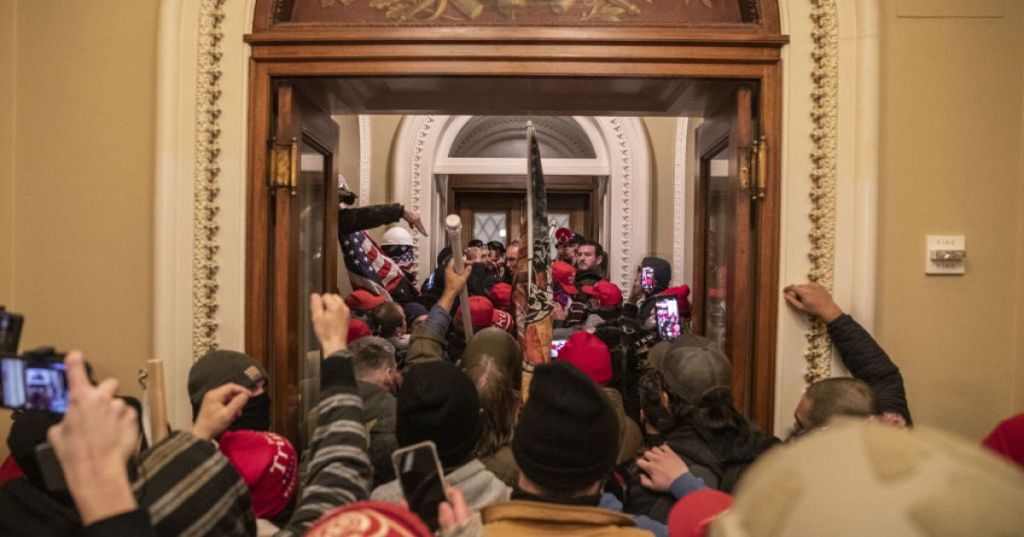
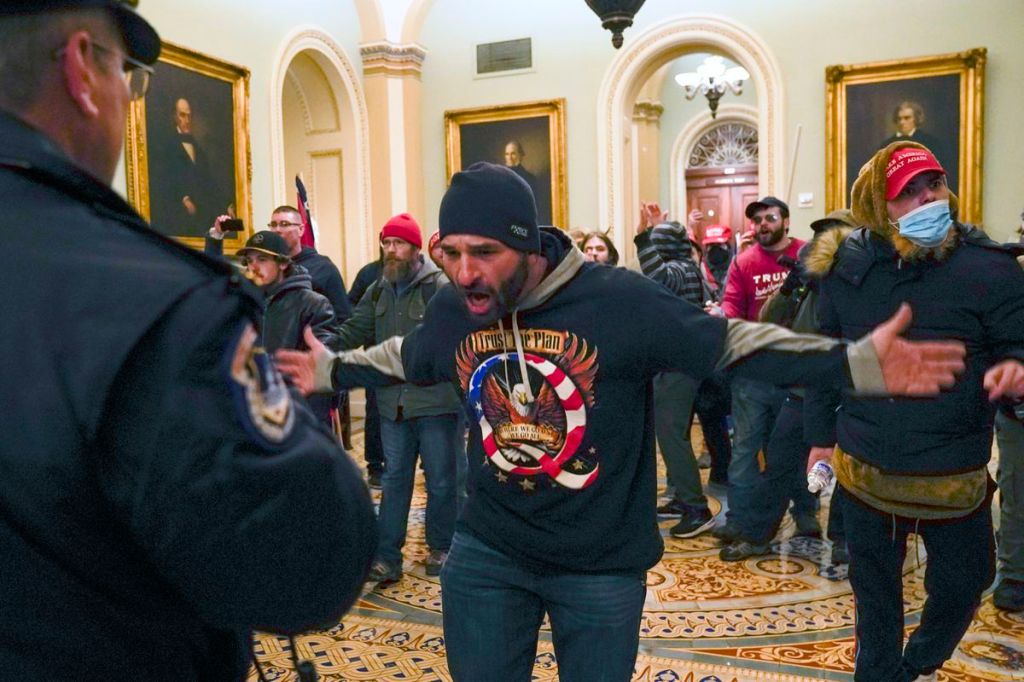
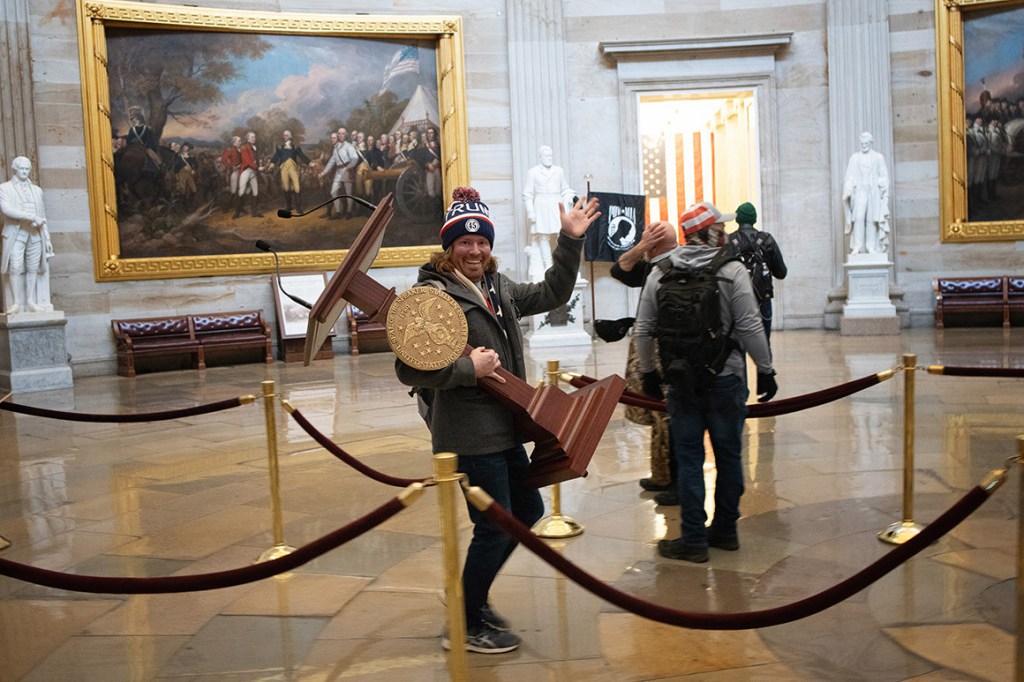
For four years now, one of the ugliest proponents of this breed of manhood has been at the head of our government. He literally, this week, had his campaign call him “the most masculine man ever to be president.” He has rallied thousands of like minded “men” to his side. And Wednesday, when they all got together, the preening and posturing led to the attack on their own government.

Soccer, far as it is from insurrectionist mob violence, still reiterates that same view of manliness sometimes.

There’s a belief that you have to be “hard”. Return injury with injury. Play through pain. And just generally prove that you are a man (preferably by belittling other men).

Players show this in pointless shoving, bumping and antagonizing. Coaches show it by attacking any critique, belittling various foes, and diminishing anyone who doesn’t reflect their views of how a player ought to be.

But it doesn’t have to be that way. Not in soccer. Not in general society. One of the finest examples of that is a fictional coach: Ted Lasso.

Ted Lasso and the Redifining of Manhood

Your mom and I just finished this series, and it’s both funny, sweet, sincere and serious. Ted May seem a bit buffoonish, but beneath the comedic veneer is a welcome antidote to the macho manners of other Americans and athletes.

Ted says repeatedly that he measures success differently

For me, success is not about the wins and losses. It’s about helping these young fellas be the best versions of themselves on and off the field.

Jane Becker (Ted Lasso, S1.E3)

Sometimes that means pushing them to run faster, tackle harder and go for glory. But most of the time it means inviting them to be vulnerable, to understand rivals and forgive yourself your mistakes.

He doesn’t blame, bluster or berate. He shrugs at the insults and dismissals of others, returning time and again to a belief in the value of everyone. Antagonistic reporters, surly supporters, petulant players, he has a smile and kind offering for everyone.

That method transforms the locker room. Not into world beaters, but into fuller forms of themselves. Beyond serious sportsmen, they become more comfortable in who they are: admitting failures, admiring others, owning the anxiety that comes with having one thing define you from the age of 13 and wondering what to do if you can’t do that.

I cannot imagine that introspection, honesty, or temperance in the horde of manly men who attacked the Capitol last Wednesday.

If the innermost feelings of those macho men could speak, I’m quite sure they would deafen us all with fear. Fear of being inadequate, fear of failing, fear of being forgotten. They are terrified, but cannot bring themselves to admit it, and rely on macho make believe to deflect from confronting their reality.

That fear is nothing more than the long shadow of ignorance. In particular the ignorance about all the ways you can be a man. You can play hard and sing out your love for everything and everyone. You can pursue athletic excellence while baking cookies and brushing up on your YA Sci-Fi. You can lead a nation while asking questions and admitting you aren’t sure.

All this to say, being a man has less to do with strength (as the president assumes) or dominance (as many managers believe). Being anything means being the best version of yourself.

15. On Maradona, Macho Man, and Making Believe

15. On Maradona, Macho Man, and Making Believe

Dear Boys,

Without matches to pass the time, I’ve been looking at the wide range of documentaries about soccer history and histrionics. After all, just because there aren’t any games being played right now, doesn’t mean that we don’t have any games or players to talk about.

One of the most discussed documentaries of late is a found footage film about the adoration and damnation of Diego Maradona in Napoli. A documentary that reminds us: make believe can be dangerous if you aren’t using it wisely.

Diego Maradona’s talent was tremendous, but so were his demons.

Maradona was a genius with a ball at his feet, but the real story (according to those who know him and the documentary) is that Maradona was only one part of the person.

Maradona played on the field. Maradona answered media questions and dealt with fans. Maradona fueled his life with attention, and pleasure, and all the drugs and people who made it possible. Meanwhile, Diego waited to live the regular life. Diego played with his kids and called his family back home so often it cost more than I make in a year. Diego felt joy while playing just for the sake of playing and remained a charming genuine person. As his trainer summarized it, “with Diego I would go to the ends of the earth, but with Maradona, I wouldn’t take a step.”

Ultimately, Maradona consumed Diego. I came to know about him near the end of his career when he and his friends brought the world’s game to the United States for the 1994 World Cup and I was immediately hooked. Maradona was the man in the middle, the star of the show, the greatest in the game (this despite him only recently returning from a 15 month suspension and debilitating drug problems).

But when he scored against Greece, it didn’t seem too miraculous. I thought it was a good goal, but his response immediately overshadowed the shot.

That look. Those crazed eyes. That primal scream and intense response. It was a little much for me. So to me, with my innocence and appreciation of kinder, gentler figures: Maradona became not an icon, but a caution. I’m sure I’d like Diego, but I can’t see him with Maradona in the way.

One of your dads other favorite entertainments around 1994 was pro-wrestling. With larger than life characters, epic battles between good and evil, and fluid, artful, athletic feats to inspire a clumsy 11 year old, I was an easy mark.

Decades later I can see that many of the characters I followed faithfully left a wake of destruction outside the ring.

Take Randy Poffo, or as the world knew him then, Macho Man Randy Savage. His intensity, ferocity, and frequent fits of jealous rage made him an unpredictable persona. Watching him perform was like watching the inside of a volcano roil and rumble before eruption.

While that persona served Randy Poffo well in pro wrestling, it pushed him past many limits in his personal life as well. The gregarious, goofy athlete Randy Poffo who learned both wrestling and poetry from his dad, changed bit by bit to the paranoid, jealous, live wire called Randy Savage.

Former wrestler Dutch Mantel said it best in an Obituary from The Post and Courier

“When you talked to Macho, you wouldn’t be talking to Randy, and you would know that because Randy was hidden behind all those layers of Macho. And sometimes you’d have to ask yourself if there ever was a Randy there. Even his voice changed.”

Dutch Mantel, quoted in “Macho Man was a True Original”, by Mike Mooneyham. Charleston Post and Courier. May 11 2011

Both Diego and Randy used an alter ego to help their lives. Think of it like playing make-believe so well it really comes true. They could escape reality so long as they had Maradona and Macho Man.

Macho Man v. Randy Poffo
The superstar and the minor league after thought

Neither of them made believe on their own. They lived in places that fed their imaginations fuel like spicy tacos in a dragon. Napoli, Italy made Diego an idol, something like a god, and Maradona could handle that in a way Diego couldn’t. To reach the top of Wrestling you had to make believe your character was who you were, all day, every day. People in the stands, the streets, the malls, they wanted Macho Man, not Randy.

They both used drugs to change their points of view (cocaine for Diego, steroids for Randy). But the drugs were another way to escape. More extreme and clearly more dangerous than making believe, but an escape nonetheless.

That’s the line to remember. It isn’t bad to make believe; it’s one of the best things humans can do. But make believe because you want to, not because other people make you, or because you have to in order to escape your regular world.

I love making believe. I love to see you learn how to do it too. Remember: however much fun it is for me to be Papa Tiger or you to be Vacuum Boys, Papa and Alex and Owen are even better.