
I’ve been having a hard time lately with Alex’s newly found favorite game.
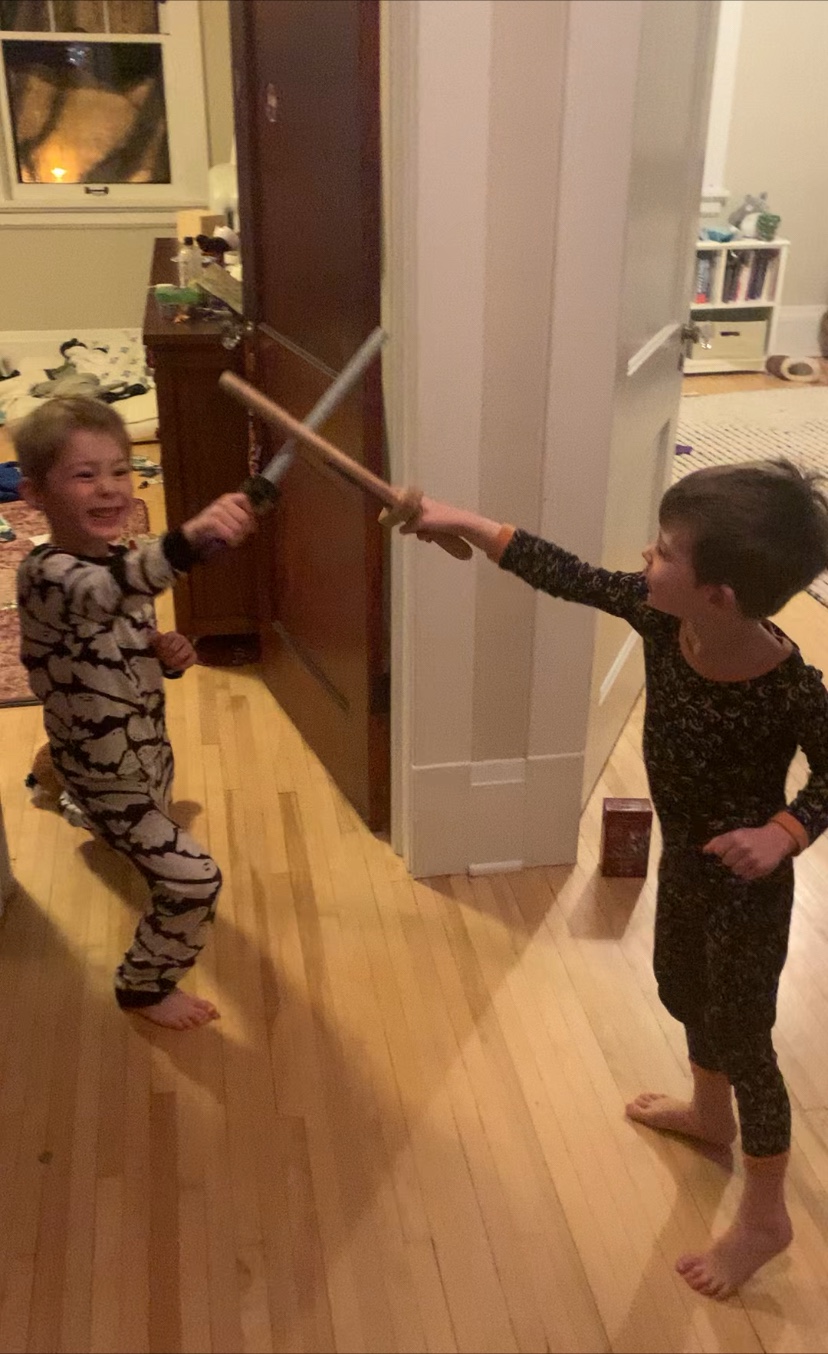
Every time there’s a deck of cards at hand, or a parent without a clear chore in hand, or a new person walking in the room Alex will ask: “Do you want to play a game of War?”

Dear Kids,
War is a perfectly fine card game. It is not quite the test of skill and strategy Alex seems to think it is. There’s a lot more luck and circumstance that influences the outcome (even if you are a seven year old who will carefully stack the deck–without admitting it). And the game can just drag on into eternity if you’re not careful with absolutely no one winning.
And so, I realized for the first time in forty-two years on the planet: the game truly is war.
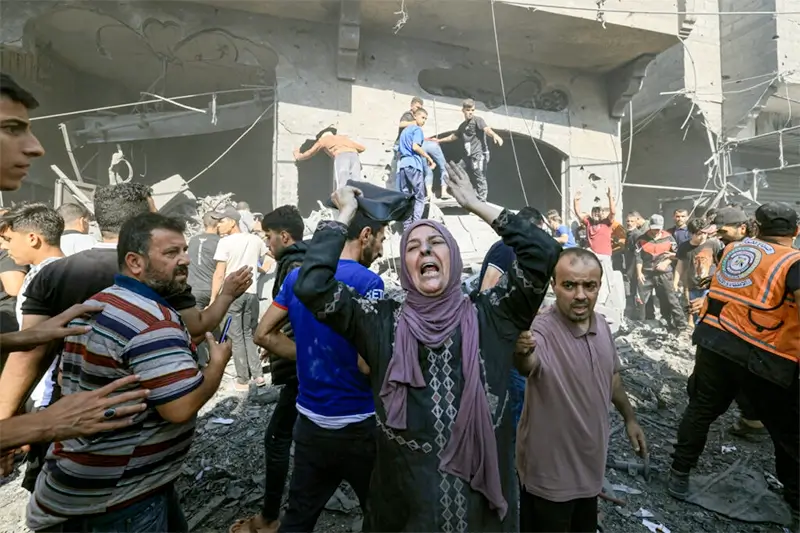
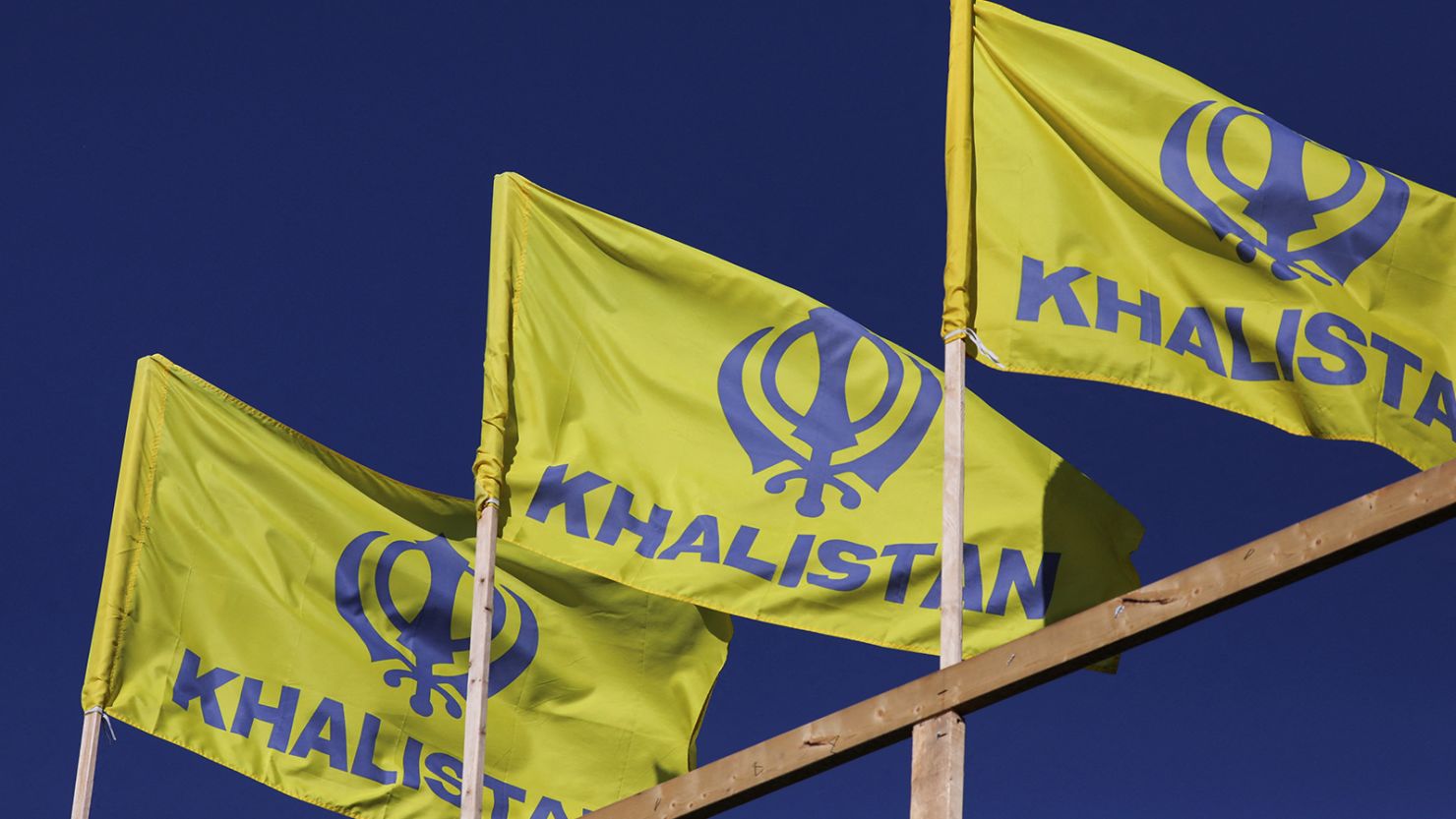
It’s been a bloody year. The war in Ukraine drags on. The war in Gaza batters people pleading for help. There was a staggering 12 day battle in Iran that ended suddenly (and may restart just as suddenly). All that and there continues to be simmering conflicts that draw little international attention in Sudan, Haiti, Myanmar, Congo, Kenya, and Ecuador. These wars are brutal and bloody affairs that have their origins long before even your grandparents were born.
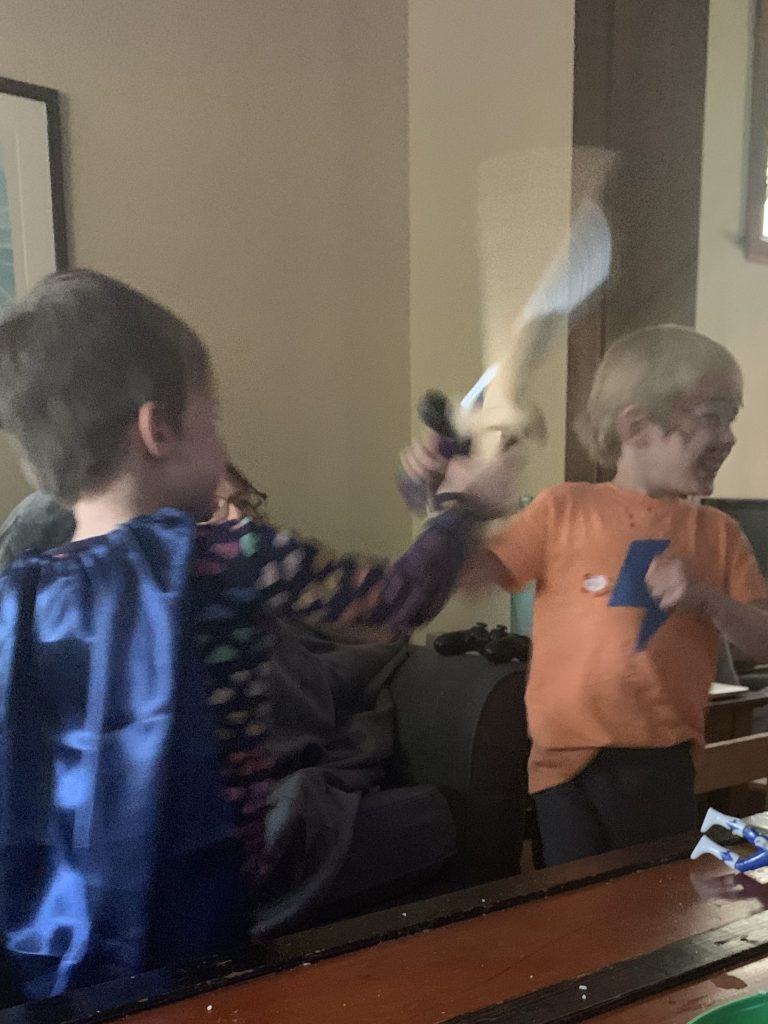
There are some leaders who try to stack the deck in their favor, only to have it all come undone due to unforeseen circumstances: from the weather to promises of hotels. All of the beliefs of childhood, that there is a way to win the war (in card games, in nerf gun battles, in anything) are woefully mistaken. All the simplicity of good versus bad, right versus wrong, Jedi versus Sith that guide you kids in your understanding of conflict, is just not viable.

The Nobel Prize Laureates I’ve been reading get that. Again and again they revisit the theme that all war is unjust, all war is cruel, all war is random. From Bertha Von Suttner and George Bernard Shaw up to Harold Pinter and Elfriede Jelinek, it’s just danger and violence and then it repeats all over again.

This is where measured and sane sports coaches are a welcome distraction. Freiburg’s Christian Streich and Julian Schuster always made plain that they cared about the safety and well being of people in dangerous areas, and that they held no grudges or animosity against their opponents on the field. Minnesota’s Eric Ramsay, Montana’s Chris Citowiki, they both acknowledge the hard work that their team puts in to win, not the deplorable opponents. This spring saw the end of Big Ange Postecoglou’s run at a top English team, and through it all he was considerate and mindful of the other side and his own (maybe not as much the press, but…c’est la vie).
There are so many ways to play at War. And I know that the looming presence of shoot-em-up video games will add another layer of this. I know that politicians and media and historians love to dig in to the stratagems and offensives to assign medals and blame. I know that comforting narrative makes it easy to decide that War is a good way to show your intelligence, bravery, and worth.
But I hope you listen to the poets. I hope you listen to (some) of the coaches. I hope you listen to the victims: War harms us all.
















 MacKenzie's Boot Room