

Dear Boys,
Halloween seems as appropriate a time as any to talk about something soccer fans all know about, but don’t much like discussing. Like the boogy-man, only, you know, real.
Soccer’s dark arts, the dirty plays, the unpleasant habits that can win a match, but may cost you your very footballing soul.
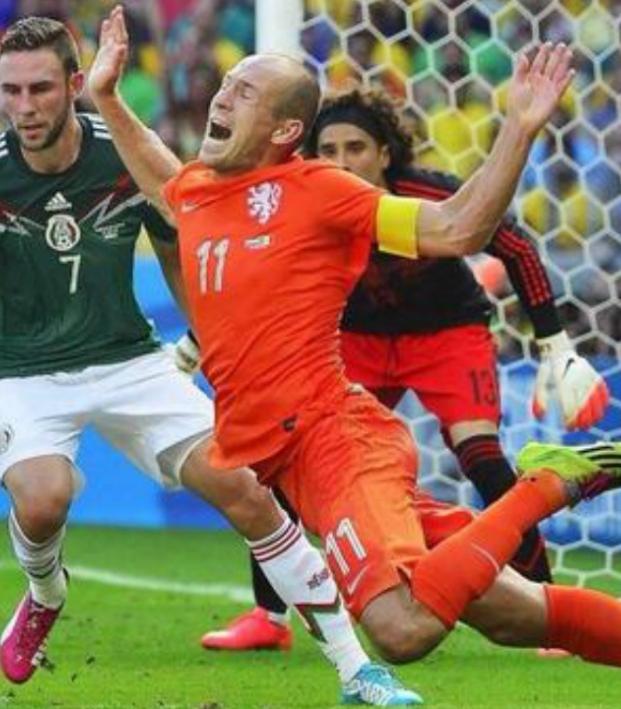
It might be a dramatic dive to the ground to pretend you’re injured when you’re not. It might be bone rattling tackles and tugs of jerseys to impede progress. They are not pretty, they are not pleasant, but they are, unfortunately, effective.
They’re common, and it stinks when an opponent uses them to their advantage and your detriment. Every time it happens it invites an excuse for your own poor behavior. It becomes a natural excuse that “well if our opponents are doing it, we should too”. You start to think you ought to fight fire with fire.
To that argument I say, nothing is worth letting the whole world burn.
Take Franco Arizala. The Oaxaca striker must be frustrated by his side’s struggles. We feel frustrated and we are neither Oaxacans nor professional athletes out to prove our abilities.
Arizala shifted the tide in the match against Pumas through one of those dramatic dives. Rushing ahead with only the keeper in his way he opted to collapse as the goalie slid in rather than attempt to hurdle, or chip or score directly.
The keeper’s red card weakened Pumas, and the ensuing stunner of a free kick opened the scoring. But helpful as three points are, effective as Arizala’s dive was, it’s not the same as a well worked goal, or a team effort for Arizala to assist a teammate charging ahead. That teamwork could help not just shift the tide of a match but of a season.
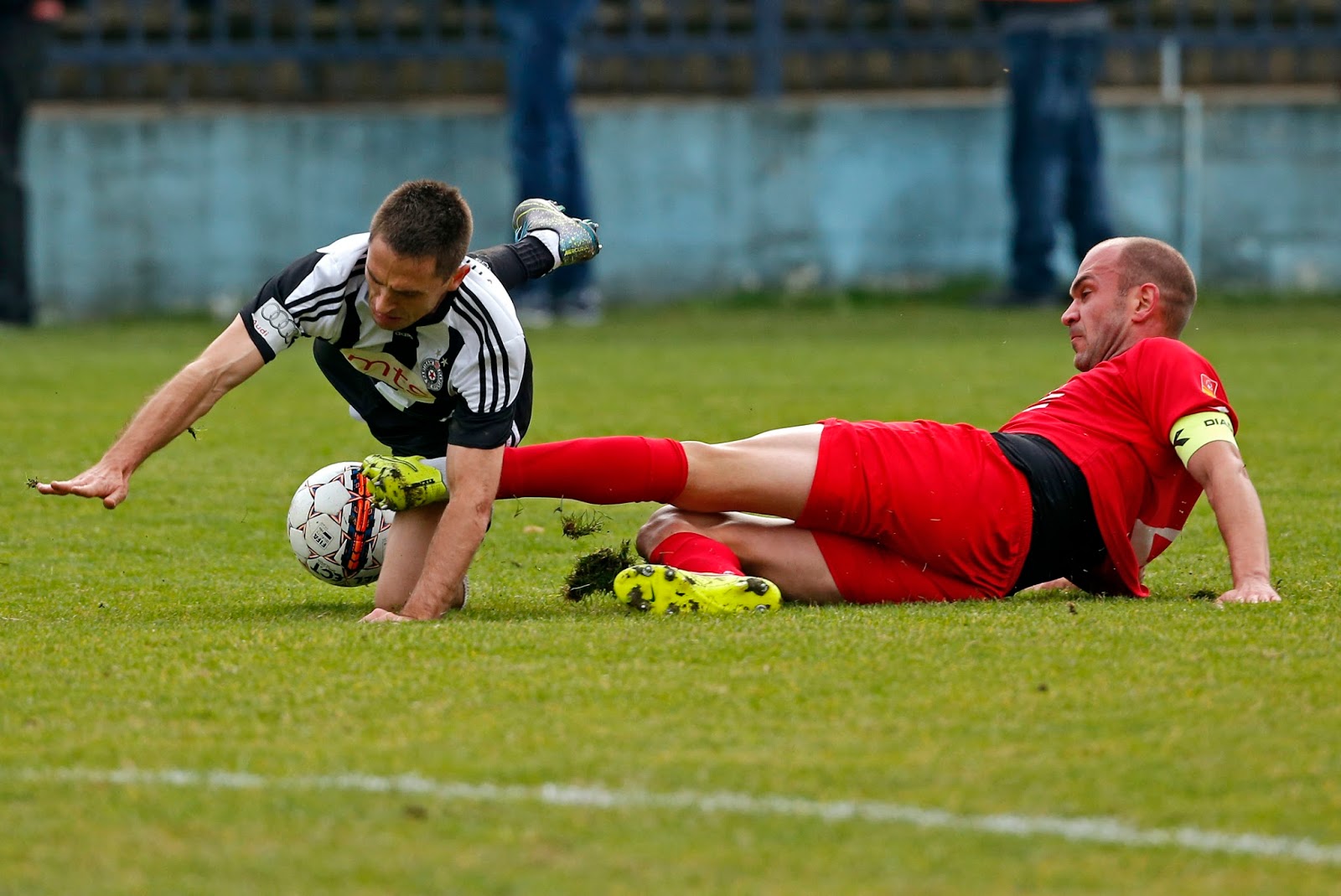
Serbia’s well known for its bruising physicality. Artful offense will always be secondary to dark-artful defending. I appreciate that FK Vozdovac tries to attack gracefully, and I understand that allowing opponents to cut out your teammates legs isn’t tolerable. But the harshness of the Serbian game is part of what slows its development.
If, instead of spending ten minutes a match in altercations with opponents after a foul, players played, then Serbia might develop a more fluid style, or at least seem more inviting to talented foreigners unwilling to sacrifice their calves for a paycheck. If the Red Dragons flew as much as they breathe fire, they could be much more.
All this second guessing and idealization comes from the greatest sport for idealized hypotheticals: politics.
I’ve written a lot this year about political views, campaigns, animus, because, as with the virus, it’s swept away most other headlines. But it also has been a time for reckoning with who I am and what I want.
Many of my friends are tired of incrementalism, tired of aspirational rhetoric that falls far short of tangible goals. If opponents will lie, oppress, incite hatred, and absolve themselves of accountability for the sake of their end goals, then why waste time trying to fight the good fight.
We’re in a fight. Just fight already.
Except, if what matters is the result then you can justify doing anything. We can lie and oppress and hate and refuse accountability with the best of them. Except if that’s all we do then things never really change. Whatever end results we think we win will just be lied about, oppressed in return and used to incite further hate.

It’s not just about the win in the short term, it’s about the revolution in the long term. It’s not about getting the result I want right now, it’s about disrupting the system so we can all help build a new one.
I get that it’s hard to think long term when you’re bottom of the table, or a perpetual also ran in the league, or face to face with an incredibly consequential election. But we can do both. We can win now while redefining what it takes to win later.
We can vanquish the dark arts. But only if we eradicate the practice and not just excoriate the practitioners. We can win on the pitch and in politics through principle and patience. It’s not the matter of one play, one game, or one election. It’s a lifetime’s work.
 MacKenzie's Boot Room