

Last year, I wrote a lot about trying to understand the balance between our initial responses or judgements about a person (or ourselves, or our world) and the more complete, complex, context that surrounds us all the time. Some of those things come back in what I wanted to write about this month, but in a different way.
In a world with a surfeit of entertainment options, people infer a lot of your personality type based on what you consume. In a culture of infinite privileges, how you choose to spend your finite resources (money, and time) matters a great deal. And so, it’s not only the cultural products you like that matters, but the people who make it.
There’s a whole lot of judgement that circles around what you like. Who/what you support. Who/what you endorse with your time, your money, and your fandom.
Many people get stuck on the notion of liking something created or owned by a person who makes their skin crawl. Enjoying or endorsing the product or work of someone you disdain and disavow can feel awful. But, as I talked about last year, I hope you keep considering the context, and remember that art is owned by the audience, not the artist.
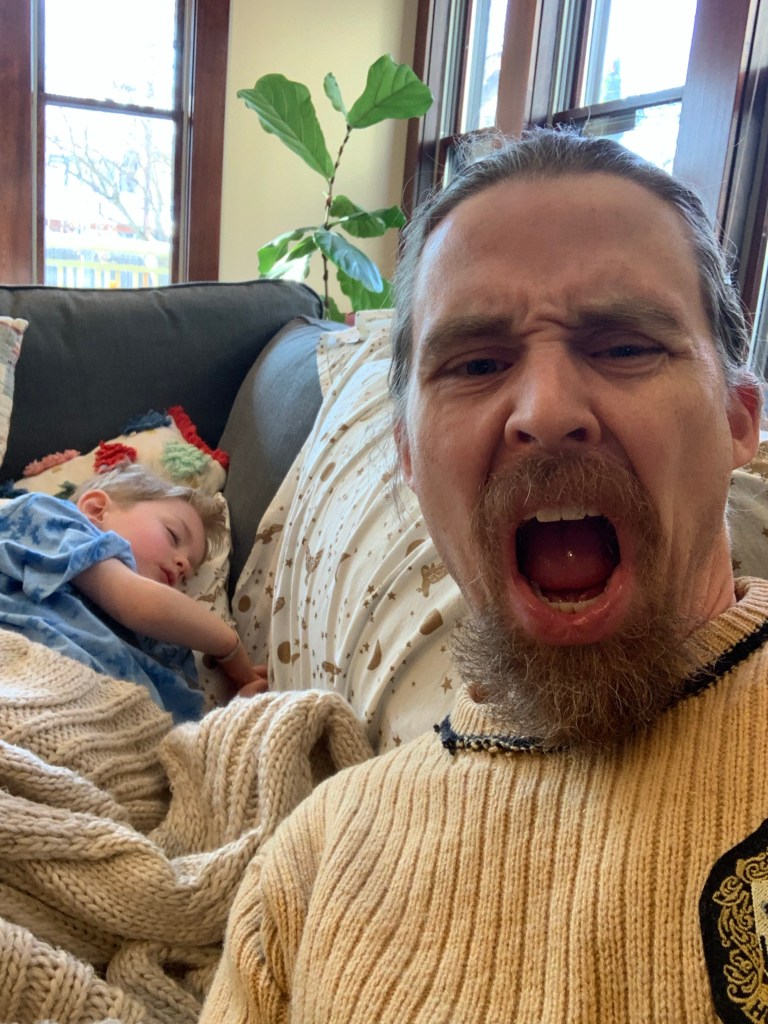
Dear Boys,
For your mom and I, the most contentious bone in this conflict is JK Rowling.
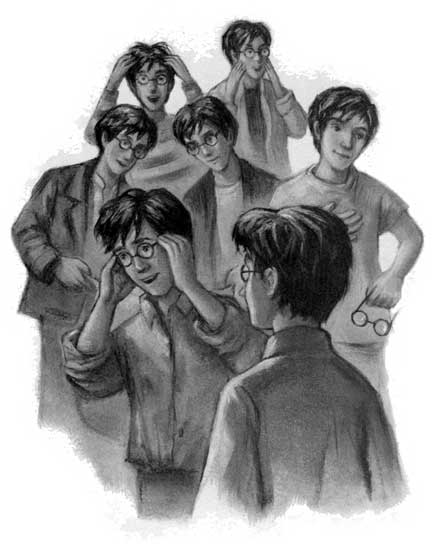
Illustration–Mary Grand-Pre
When your mom and I were beginning adulthood and eagerly offering books to your Uncle Simon and Auntie Julianna, there was no greater conduit to the world of literature than Ms. Rowling. Her Harry Potter series inspired millions, captivated and delighted billions. It spawned joyous expressions in new writings, and art, in film, television, song and community. It was beautiful.
And then she began to espouse some truly hideous beliefs about those who don’t fit neatly into one gender type.
Rather than accept that she might have more to learn, or that others might see things differently, she has doubled, tripled… centupled down on the notion that her view of people is right and all others are wrong. She has mocked people who found solace and opposite meanings in her books, and she has brought her now considerable wealth to bear to justify her views.
All this is so ugly, that some of the shine on Harry Potter has worn away.
We were still delighted when Alex asked to read them, often again and again. We were more than willing to watch the films, to share the games, and offer our own thoughts about the meaning of the series. But we also know a lot of friends who wonder why we haven’t shunned Rowling and her work yet.
This conflict isn’t entirely consumed by one author though. Soccer is filled with problematic personas. Loons winger Franco Frangapane offers a potent attack…but he also attacks people of different races. The same is true of Ross County coach Malkay McKay whose racist views likely affected his management.
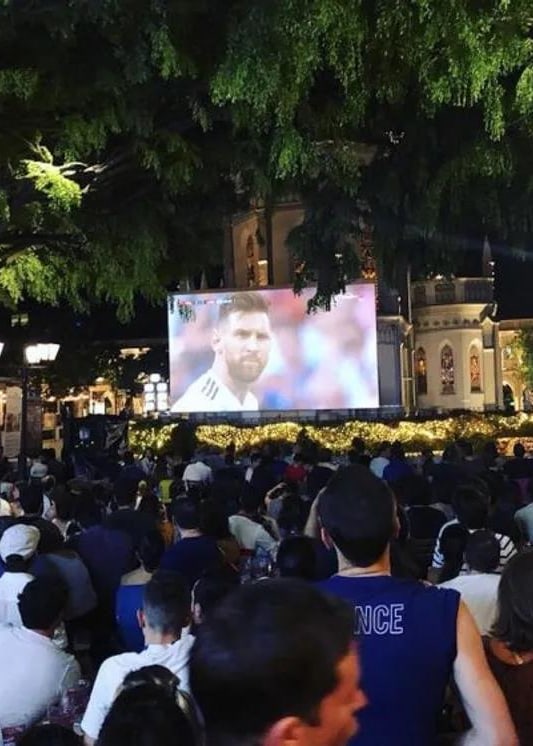
The very World Cup that has consumed the last three weeks falls in this bucket too. The hosts in the Emirate of Qatar have many fine and admirable qualities. They’ve created a small scale but globally inviting celebration of football to demystify the middle east. But they are quick to dismiss anyone who asks too many questions about how homosexual or immigrant people are treated outside of the stadia.
So for three weeks I’ve thrilled with stunning Mema Ochoa saves, and superb Ghanaian strikes, stellar American tackles and Cinderella stories from Japan, Senegal, Australia and Morocco. It’s been a pleasure to cheer the last runs of Messi and Modric, and to learn about Gakpo, Salisu, Doan, and Hakimi. But every game, every thrill, every moment is tempered by the uncomfortable reality that time spent celebrating Qatar, is time not spent promoting change in Qatar and elsewhere.
To chant for the Loons when Frangapane is on the pitch, or revel in wins masterminded by McKay, or express elation that our world has been connected in watching games seems in poor taste to many. I can’t say that they’re wrong.

While all of these people (Rowling, Frangapane, McKay, and the World Cup organizers) present ideas or values that are directly opposed to what I would say or teach to you boys, the things they do and the work they create is bigger than them.
Art is meaningless without an audience. Whether it’s the crafting of a story on the page, the creation of a scoring opportunity, or a grandiose sporting event: none of it means anything unless an audience reads it, watches it, and considers it. Once it leaves the author’s hand (or foot) it ceases to be theirs alone, and becomes our collective property.
In that context, Harry Potter means what you want it to mean. The triumphs of Loons and Stags means something to me, regardless of what it means to the team’s personnel.
To some, that might seem convenient, an excuse to let me continue reading, watching, and cheering with a clear conscience. But I think it’s an active engagement: I won’t just consume and accept, I will watch, consider and make meaning on my own. I am not a docile sheep being herded towards hatred by Rowling, or Qatari billionaires. I am in charge of my own mind, and my free will allows and even encourages me to disagree.
So I will, and I hope that you boys do too. There’s a lot of beautiful things in this world, even though there is also a lot of ugliness. You decide what you see and what you do with it. That’s your power. Use it well.
 MacKenzie's Boot Room